Author: mizansphuron

Webinar: Gen AI Solutions for Bangladeshi Businesses Powered by AWS

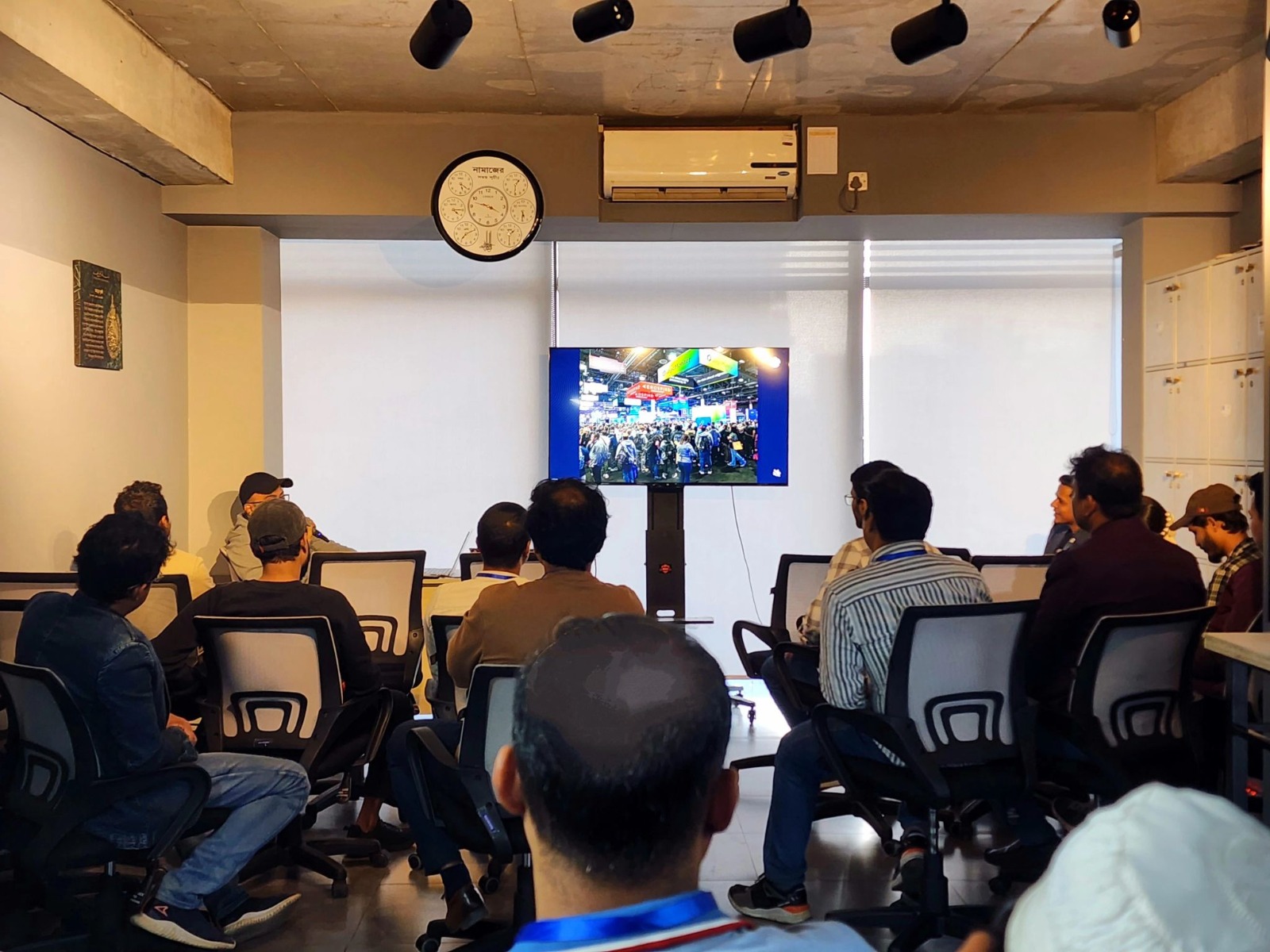
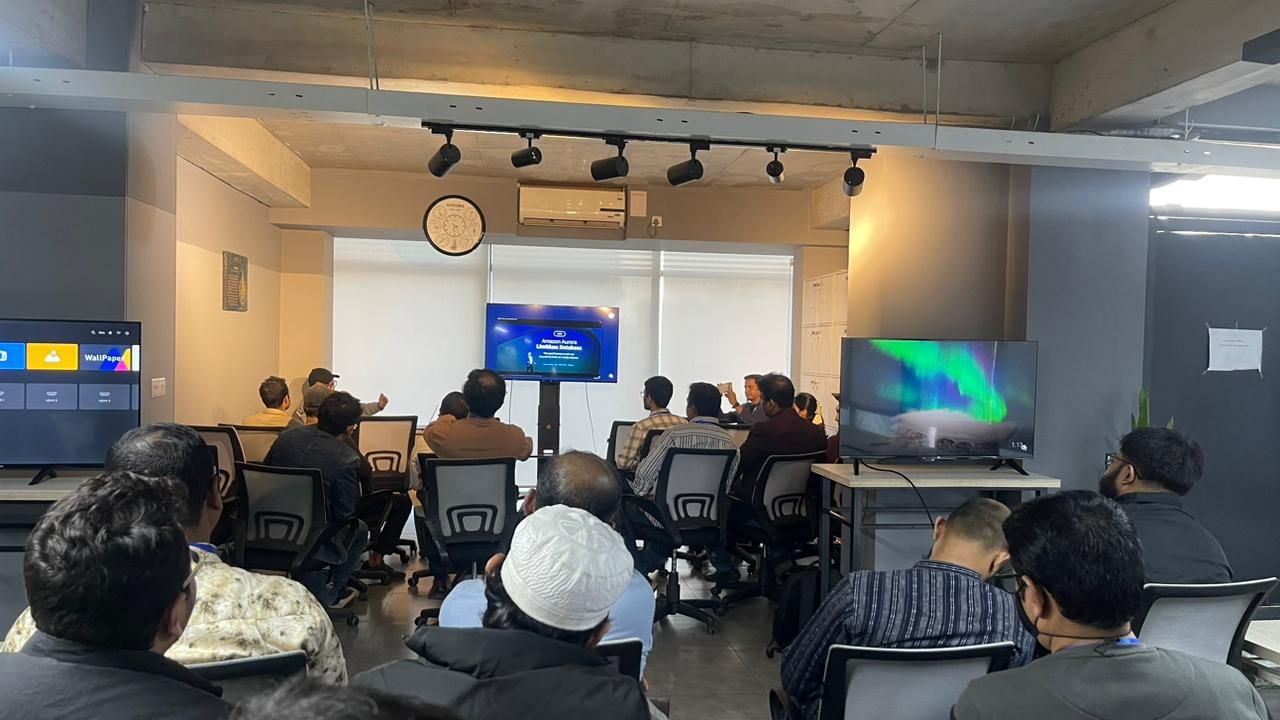
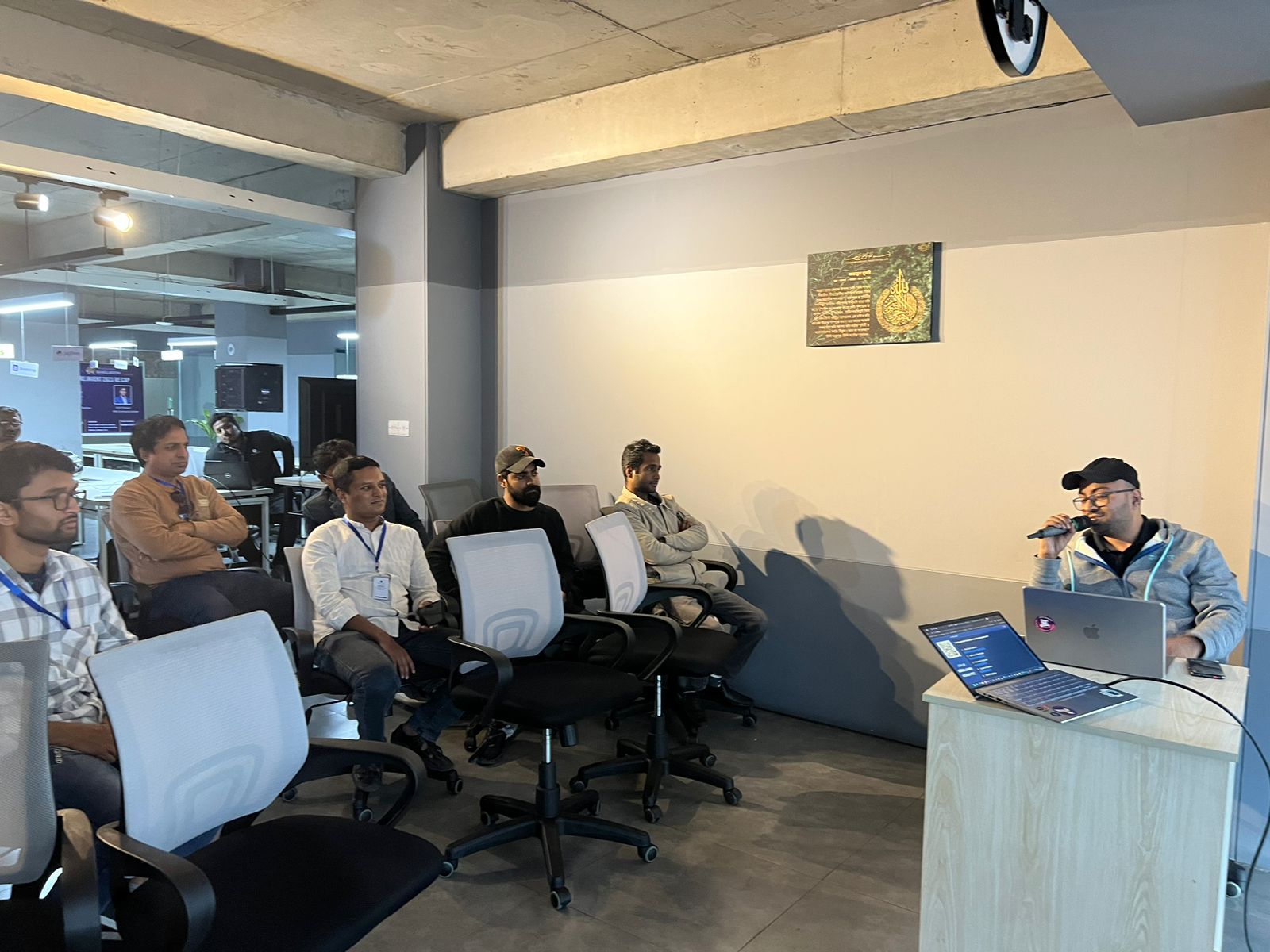
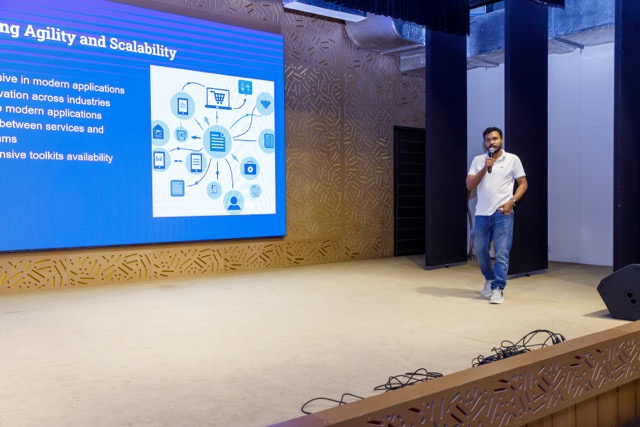
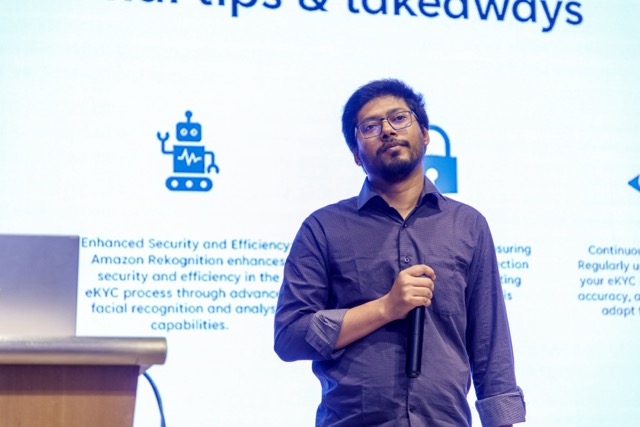
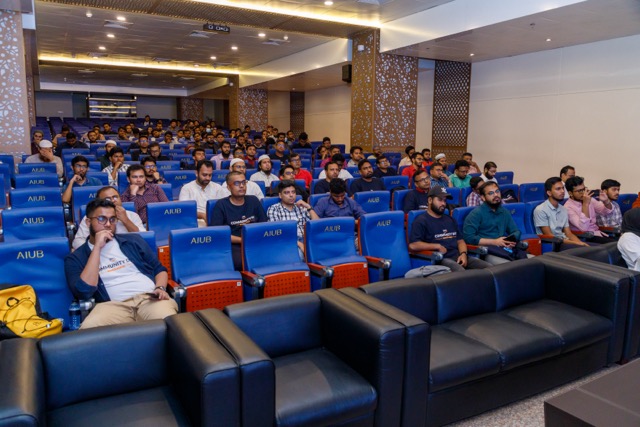
On March 29th, Brain Station 23 successfully hosted a transformative webinar titled “Gen AI Solutions for Bangladeshi Business powered by AWS.” The event was an insightful convergence of technology and business, shedding light on how generative AI, backed by AWS, can revolutionize various industries in Bangladesh.

Key Highlights of the Webinar

The webinar began with an introduction to generative AI, explaining its fundamental concepts and potential applications in different business sectors. The focus was on how generative AI can drive innovation, improve operational efficiency, and create new revenue streams for Bangladeshi businesses.

Interactive Demos and Case Studies

The webinar featured interactive demos showcasing how AWS-powered generative AI solutions can be implemented in various business scenarios. Real-world case studies highlighted successful AI integrations in industries such as manufacturing, retail, and finance, demonstrating tangible benefits like cost reduction, enhanced customer experiences, and streamlined operations.

Q&A Session

The engaging Q&A session allowed participants to interact directly with the experts, posing questions about the implementation and scalability of generative AI in their specific business contexts. The experts provided valuable insights and practical advice, helping attendees envision the future of their businesses with AI.

Conclusion and Takeaways

The webinar concluded with a discussion on the future trends of AI and the strategic steps Bangladeshi businesses can take to leverage these advancements. The key takeaway was clear: generative AI, supported by AWS, presents a significant opportunity for businesses to innovate and stay competitive in the digital era.

Feedback and Future Events

Participants praised the webinar for its comprehensive content and the expertise of the speakers. Many expressed interest in further events focusing on deeper technical dives and industry-specific AI applications.

Brain Station 23 remains committed to empowering businesses with cutting-edge technology solutions. Stay tuned for more insightful events and webinars aimed at driving technological advancement and business growth in Bangladesh.

Social Media Snippets

AWS Community Day Bangladesh 2024: A Celebration of Innovation and CollaborationAWS Community Day Bangladesh 2024

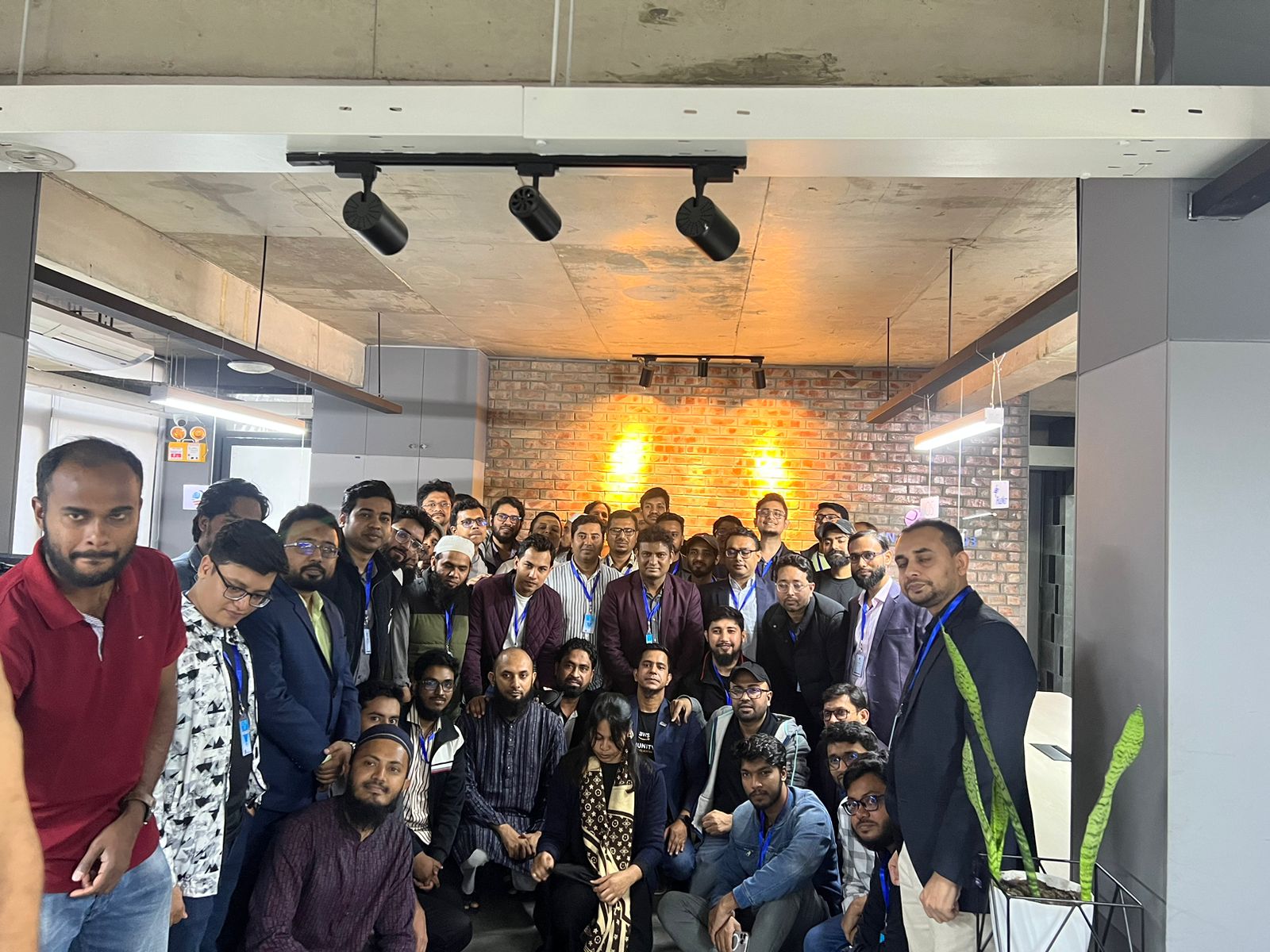
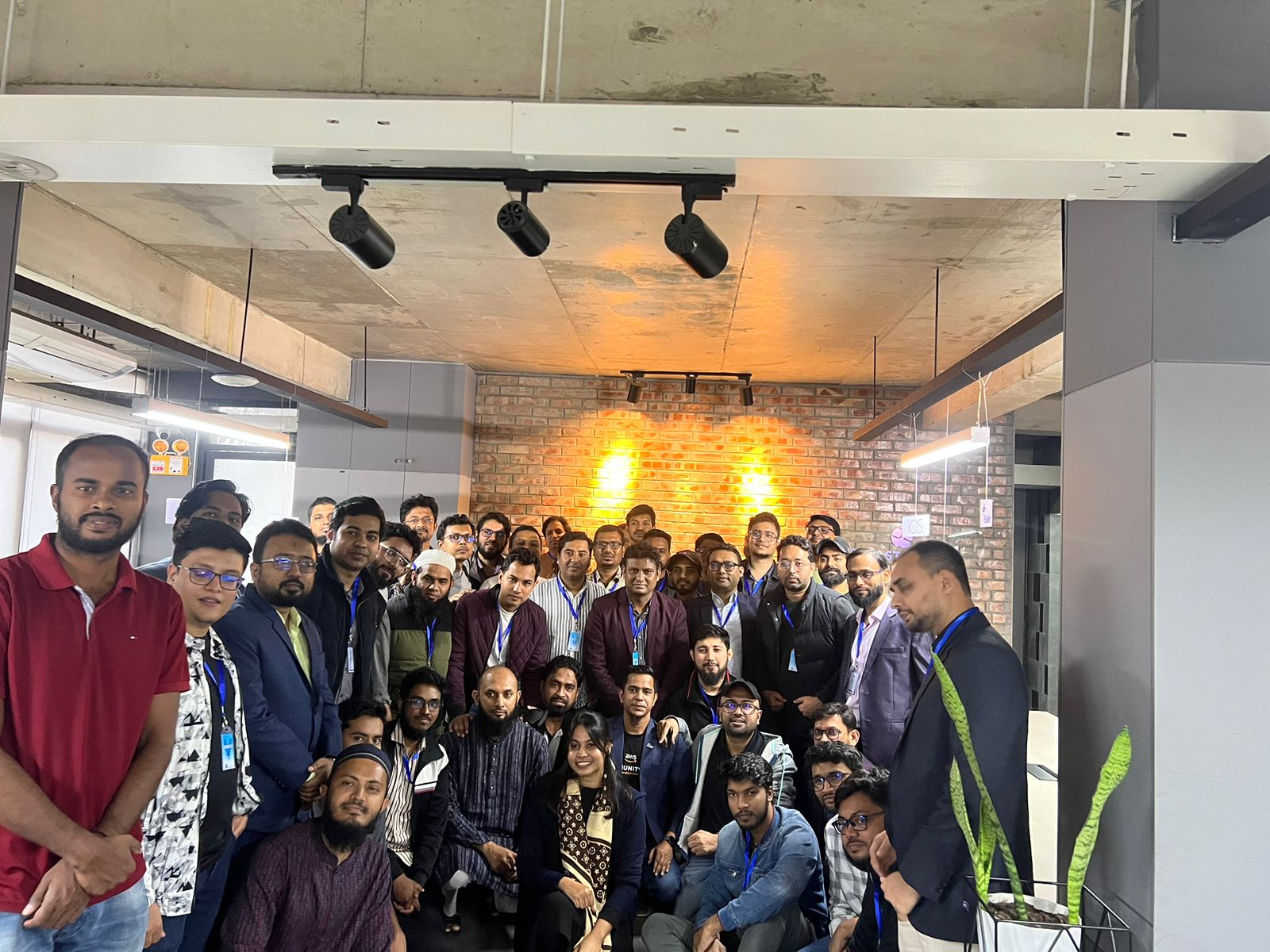
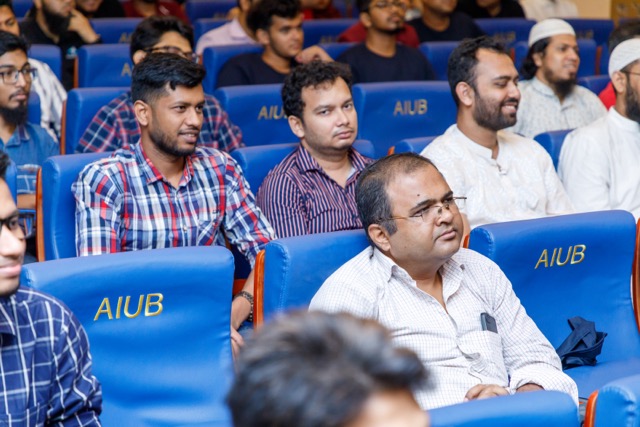
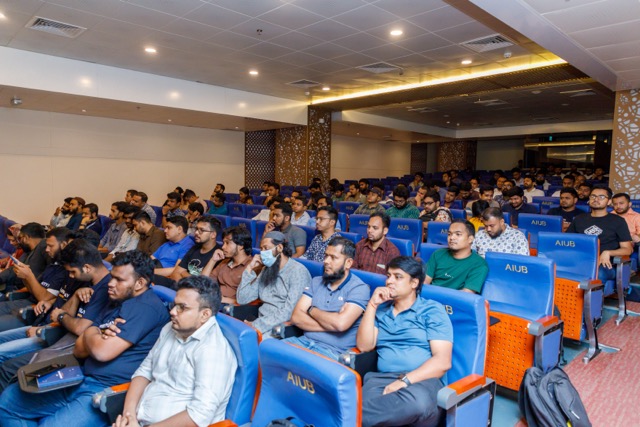
The AWS Community Day Bangladesh 2024 was a resounding success happened on 18th May 2024, bringing together technology enthusiasts, industry leaders, and AWS experts for a day of learning, networking, and innovation. As one of the most anticipated events in the tech calendar, this year’s Community Day surpassed expectations with its engaging sessions, hands-on workshops, and vibrant community spirit.

A Hub of Knowledge and Innovation

Held in the heart of Dhaka, AWS Community Day Bangladesh 2024 featured a diverse lineup of speakers, including AWS Solution Architects, industry pioneers, and local tech heroes. The event kicked off with a keynote address that set the tone for the day, highlighting the latest advancements in cloud technology and the growing importance of AWS in driving digital transformation.

Attendees had the opportunity to dive deep into a range of topics through breakout sessions that covered everything from machine learning and artificial intelligence to serverless architectures and DevOps best practices. The hands-on labs and workshops were particularly popular, offering participants a chance to gain practical experience with AWS tools and services under the guidance of expert instructors.

Building Bridges and Fostering Connections

One of the core objectives of AWS Community Day is to foster connections within the tech community. The event provided numerous networking opportunities, allowing attendees to share their experiences, discuss challenges, and explore potential collaborations. The exhibition area showcased innovative solutions from local startups and AWS partners, further emphasizing the vibrant ecosystem that AWS supports.

My Role as a Co-founder of the AWS User Group Bangladesh

As a co-founder of the AWS User Group Bangladesh, I have been deeply committed to nurturing and expanding our community. My journey with AWS User Group Bangladesh began with a vision to create a platform where cloud enthusiasts could come together to learn, share, and grow. Over the years, this vision has evolved into a thriving community that hosts regular meetups, workshops, and now, a landmark event like AWS Community Day.

In organizing AWS Community Day Bangladesh 2024, my role involved coordinating with AWS experts and community leaders to curate a compelling agenda, securing sponsorships to ensure a seamless experience for all attendees, and mobilizing our dedicated volunteer team to handle logistics and on-the-day support. The collaborative spirit of our community was evident in every aspect of the event, and it was truly rewarding to see the efforts of so many passionate individuals come to fruition.

Looking Ahead

The success of AWS Community Day Bangladesh 2024 is a testament to the strength and vibrancy of our tech community. It underscores the importance of continuous learning and collaboration in an ever-evolving technological landscape. As we look ahead, we are excited to build on this momentum, planning even more engaging events, fostering deeper connections, and driving innovation across Bangladesh and beyond.
In conclusion, AWS Community Day Bangladesh 2024 was not just an event; it was a celebration of what we can achieve together. I am proud to be a part of this incredible journey and look forward to many more milestones with the AWS User Group Bangladesh.

Stay tuned for more updates and join us in our mission to harness the power of AWS for a brighter, more innovative future.

MIT Bootcamps Ambassadors

It’s a great news to know that I have been selected as the MIT Bootcamps Ambassador for Bangladesh.
I participated in MIT Bootcamp Innovation Leadership in Oct 2021. The program was from 13th September 2021 to 18th November. Amazing professors from MIT and quite knowledgable participants made this course really helpful and exciting for me.

The most important part is, my team became champion in this Bootcamp.

The latest good news is I became MIT Bootcamps Ambassador for Bangladesh. Wishing an interesting journey ahead.

Solving Fill Karel problem

Recently gone through a programming problem named Fill Karel which needs to be solved with Python.
I haven’t worked in Python earlier and haven’t been programming for so long which used to give lot of inner energy. It was an interesting task which got completed eventually. Tried to create a short loom video which shared below:

Navigating the Future of Software Development with Evolutionary Architecture

In the realm of software development, staying ahead of the curve means not just keeping pace with current technologies but anticipating and adapting to changes before they occur. This is where the concept of Evolutionary Architecture comes into play, a topic I recently dove into through the insightful book “Building Evolutionary Architectures: Principles and Practices” by Rebecca Parsons, Neal Ford, and Patrick Kua. The book has profoundly reshaped my understanding of how to design adaptable and resilient software systems.

Embracing Change in Architecture

The essence of Evolutionary Architecture lies in its name – evolution. It’s about creating systems that are not just built to last but built to evolve. The traditional approach of setting an architecture in stone and making periodic, monumental updates is no longer viable in today’s fast-moving technological landscape. This book opened my eyes to the necessity of designing for adaptability from the outset.

Principles at the Heart

Three key principles of Evolutionary Architecture resonated with me the most:

  1. Incremental Change: This principle advocates for architectures that accommodate changes in small, manageable increments, avoiding the disruptive and often risky big-bang updates.
  2. Guidance over Rigidity: It’s crucial to guide the architecture’s evolution with a set of adaptable principles rather than confining it within rigid boundaries.
  3. Measuring Fitness: The concept of fitness functions, inspired by genetic algorithms, was a revelation. These are metrics that evaluate how well the system meets its objectives, guiding the evolutionary process with quantitative data.

Practical Steps Forward

“Building Evolutionary Architectures” is not just theoretical; it provides actionable advice for practitioners like myself. Organizing systems around business capabilities, designing data to be evolutionary, and implementing continuous delivery are just a few of the practices that can make a significant difference.

Overcoming Challenges

Adopting an evolutionary approach is not without its challenges. Balancing flexibility with stability, managing technical debt, and fostering a culture of continuous learning are ongoing efforts. However, the book reassures that these challenges can be navigated with the right mindset and governance models.

My Takeaway

Reading “Building Evolutionary Architectures” was a transformative experience. It’s not just about the technologies we use but how we think about building systems that can stand the test of time by evolving. As I apply these principles and practices to my projects, I’m excited about the possibilities that lie ahead. We’re not just building for today but for a future that’s constantly in flux. Evolutionary Architecture, as presented by Parsons and her co-authors, provides a roadmap for navigating this future, ensuring that our systems are as dynamic and resilient as the world they operate in.

In sharing my journey and insights gained from this seminal work, I hope to inspire others to consider how they can incorporate the principles of Evolutionary Architecture into their projects. The future belongs to those who are prepared to evolve, and with this approach, we can ensure our software systems are ready to meet whatever challenges and opportunities lie ahead.

Navigating the Cloudscape: My Unforgettable Journey as an AWS Ambassador at AWS Summit 2023

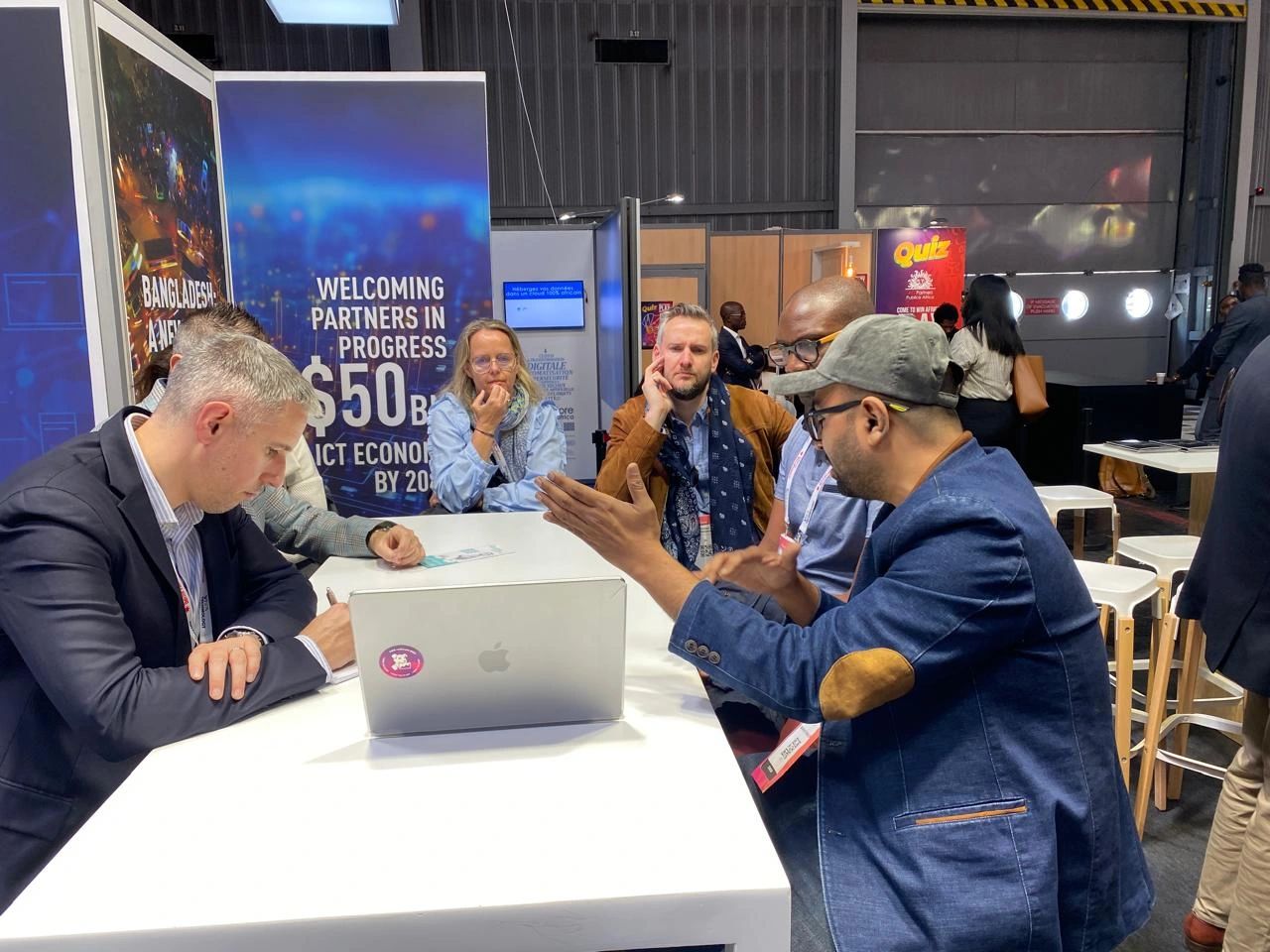
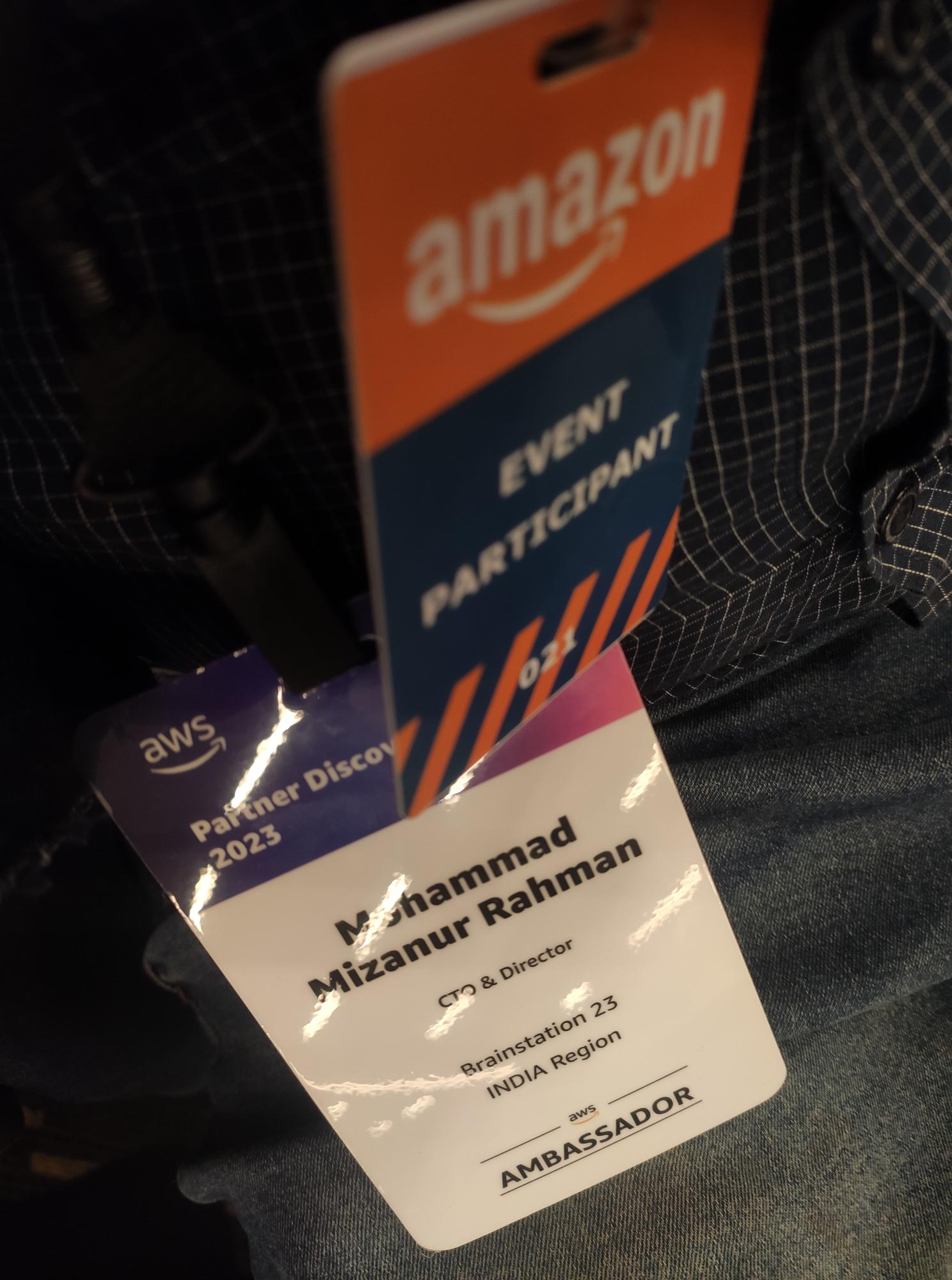
The AWS Summit 2023 in Seattle was not just another tech event; it was a transformative experience that united a global community of cloud computing aficionados. As an AWS Ambassador, I had the unique privilege of representing my community and interacting with ambassadors and industry leaders from around the world.

Upon setting foot in Seattle, the atmosphere was electric. The city seemed to hum with anticipation, as if aware of the groundbreaking discussions and collaborations that would soon unfold. The venue was bustling with delegates from diverse backgrounds and industries, all united by their passion for cloud computing.

One of the most enriching aspects of the summit was meeting other AWS Ambassadors from different countries. These interactions broadened my perspective and deepened my commitment to contributing to my community. It was enlightening to discover how cloud computing is being utilized across various sectors globally.

The breakout sessions were a treasure trove of knowledge. One session that stood out was on Generative AI, which delved into its capabilities and potential applications. This was a revelation, opening up new avenues for innovation in fields ranging from art to medicine. Alongside this, other sessions covered a wide array of disruptive technologies, offering a comprehensive understanding of the direction in which cloud computing and associated technologies are headed. The insights gained were not just academic; they were immediately applicable, offering actionable strategies for optimizing cloud-based solutions.

The summit was a whirlwind of learning, networking, and inspiration. It offered an unparalleled platform for global networking and exposed me to innovative approaches and solutions in cloud computing. The experience was invaluable for community engagement and building, enriching my role as an AWS Ambassador in multiple ways.

To sum it up, AWS Summit 2023 was a life-changing event that provided me with a global outlook on the ever-evolving field of cloud computing. The relationships forged, the wisdom acquired, and the inspiration gleaned will undoubtedly influence my journey as an AWS Ambassador for years to come.

I extend my heartfelt gratitude to all the organizers and participants who contributed to making this event a monumental success.

Enhancing Security in AWS Cloud with WAFR (Well-Architected Framework Review)

In today’s rapidly evolving digital landscape, the security of cloud architectures has become paramount for businesses across the globe. On 10th August 2023, I had the privilege to present a session on how to enhance security in AWS Cloud leveraging the principles of the Well-Architected Framework Review (WAFR). Here’s a glimpse into the insights shared:

1. Understanding the AWS Well-Architected Framework (WAF):

The AWS Well-Architected Framework provides a consistent approach to evaluate and improve cloud architectures. It revolves around five key pillars:

  • Operational Excellence
  • Security
  • Reliability
  • Performance Efficiency
  • Cost Optimization

For the purpose of this session, our primary focus was on the Security pillar.

2. Why Security in the AWS Cloud Matters?

With the growing complexities of cloud environments, ensuring that these systems are secure from threats is more critical than ever. AWS Cloud offers robust security features, but it operates on a shared responsibility model. AWS is responsible for the security of the cloud, while the customer is responsible for security in the cloud.

3. The Security Pillar of WAF:

The Security pillar of the AWS Well-Architected Framework emphasizes:

  • Data protection
  • Identity and access management
  • Incident response
  • Infrastructure protection

Each of these areas helps AWS users ensure that their cloud infrastructure is resistant to potential threats.

4. Implementing Best Practices with WAFR:

The Well-Architected Framework Review is a systematic approach to assess and improve one’s AWS workload based on the best practices outlined in the framework.

  • Identity and Access Management (IAM): Ensure that only authorized and authenticated users can access your resources. Implement principles like least privilege, role-based access, and multi-factor authentication.
  • Data Encryption: Use encryption at rest and in transit to protect sensitive data. AWS services like KMS can assist in managing cryptographic keys.
  • Incident Response: Have a well-documented and rehearsed plan for when security incidents occur. AWS provides tools like GuardDuty and CloudWatch for monitoring and alerting.
  • Infrastructure Protection: Implement AWS security groups, NACLs, and other security features to create a strong security boundary around your cloud resources.

5. Leveraging WAFR for Continuous Improvement:

The AWS cloud environment is dynamic, and as your business grows, so will your workloads. Periodically reviewing your architecture with WAFR ensures that you stay updated with the latest best practices and continue to maintain a robust security posture.

Conclusion:

The AWS Well-Architected Framework, coupled with periodic reviews, is an essential toolset for any organization looking to optimize their cloud security. By understanding the framework’s principles and actively implementing them, businesses can confidently navigate the digital space, knowing their AWS infrastructure is fortified against potential threats.

I have shared the presentation deck below as well.

Recording of the session: Enhancing Security in AWS Cloud with WAFR (Well-Architected Framework Review)

Session on ‘Application Modernization using Cloud Native Approach’

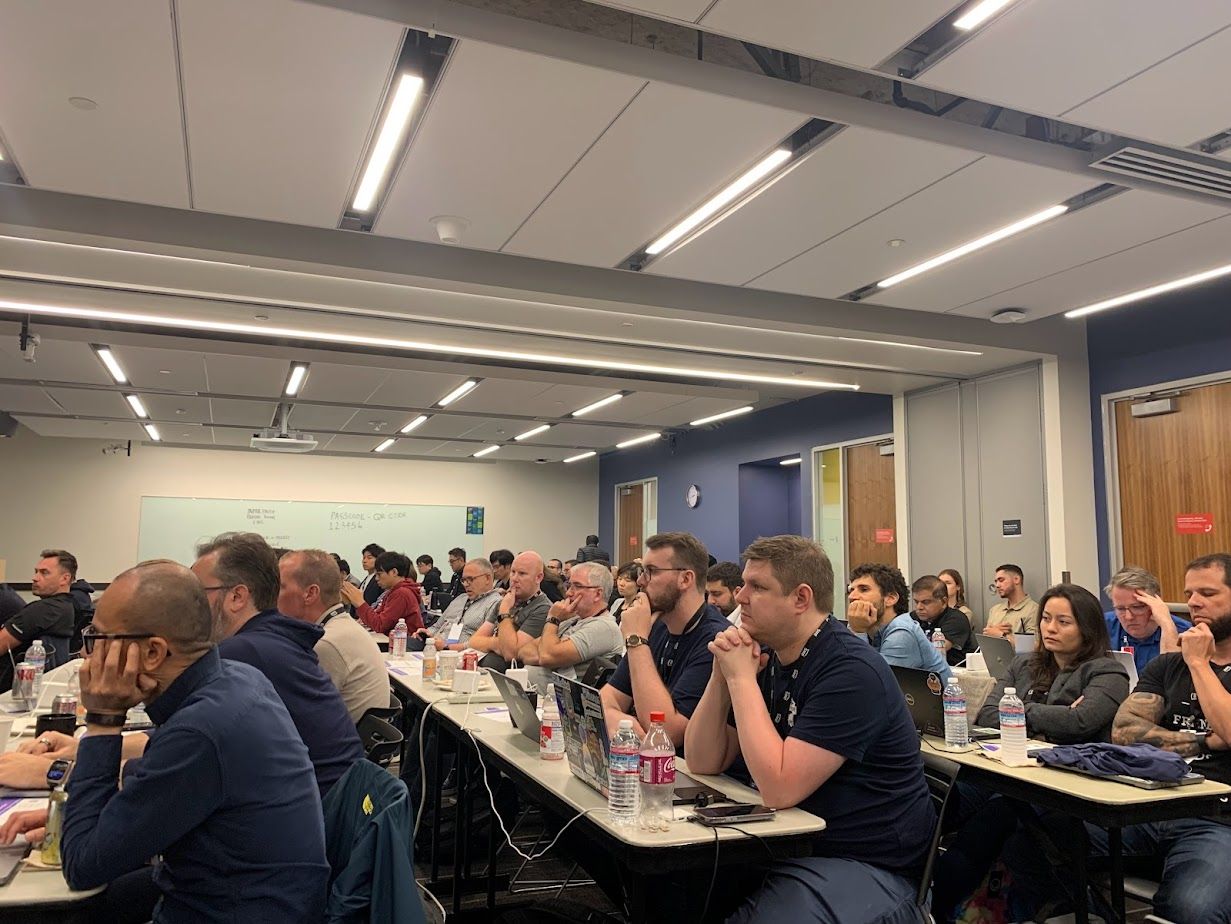
On July 28, 2023, the Bangladesh System Admin Forum (BDSAF) hosted a remarkable event to celebrate System Admin Day 2023. As an esteemed speaker at the event, I had the opportunity to shed light on ‘Application Modernization using Cloud Native Approach,’ with a special focus on how Amazon Web Services (AWS) can play a pivotal role in the process. The event was a resounding success, bringing together passionate professionals from across the country to discuss the latest trends in cloud computing and its impact on application modernization.

System Admin Day 2023: A Gathering of Tech Enthusiasts

The annual System Admin Day is an occasion when IT professionals, system administrators, and cloud enthusiasts unite to celebrate their indispensable contributions to the smooth functioning of organizations. This year’s event, organized by BDSAF, was no exception, drawing a large crowd eager to expand their knowledge and network with like-minded individuals.

The day’s agenda was packed with insightful talks, workshops, and interactive sessions covering various topics related to cloud computing, cybersecurity, automation, and more. Distinguished speakers from both local and international tech industries shared their expertise, making the event an unforgettable experience for everyone involved.

Application Modernization: The Key to Keeping Pace with Technology

In my session, ‘Application Modernization using Cloud Native Approach,’ I emphasized the significance of keeping applications up-to-date and agile in today’s rapidly evolving technological landscape. As businesses strive to maintain a competitive edge, they must embrace modernization to stay relevant and efficient.

During the talk, we explored the challenges that organizations often face when transitioning from traditional monolithic applications to cloud-native solutions. The discussion revolved around the benefits of adopting a cloud-native approach, such as scalability, resilience, and cost optimization.

AWS: Empowering Application Modernization

Among the cloud service providers, AWS stands out as a leader, offering a wide array of tools and services designed to support the modernization process effectively. I discussed how AWS enables businesses to re-architect their applications using microservices, containers, and serverless computing, leading to enhanced flexibility and reduced infrastructure overhead.

Moreover, AWS’s extensive portfolio of managed services, including Amazon RDS, Amazon DynamoDB, and Amazon ECS, allows organizations to offload operational tasks and focus on developing innovative features for their applications.

Real-World Examples

To bring my points to life, I shared real-world examples of companies that successfully modernized their applications using AWS. These case studies highlighted how cloud-native architectures empowered businesses to scale effortlessly, improve performance, and achieve cost savings while catering to a growing user base.

Conclusion

System Admin Day 2023 organized by BDSAF was an incredible gathering of tech enthusiasts, and I was honored to contribute as a speaker on the topic of ‘Application Modernization using Cloud Native Approach’ with a focus on AWS. As the IT landscape continues to evolve, staying at the forefront of technology is crucial for organizations to succeed in an ever-competitive world.

Adopting a cloud-native approach supported by AWS provides businesses with the tools and scalability needed to thrive. As we move forward, it is essential for professionals to continuously educate themselves, embrace innovation, and collaborate with industry peers to drive meaningful change in the tech world.

I have attached the presentation deck below as well:

Transforming HR in IT Service Companies with AWS Generative AI Services

The field of Human Resources (HR) plays a vital role in any organization, including IT service companies. From talent acquisition and onboarding to employee engagement and performance management, HR professionals are responsible for ensuring the success and well-being of the workforce. However, the complex nature of HR tasks in the fast-paced IT industry often poses challenges. Fortunately, AWS Generative AI Services offer innovative solutions that can revolutionize HR practices and address these unique challenges. In this blog post, we will explore how AWS Generative AI Services can transform HR in IT service companies, enabling them to overcome common problems and streamline their operations.

Enhancing Talent Acquisition:
Talent acquisition is a critical aspect of HR, and the success of IT service companies largely depends on attracting and retaining top-tier talent. AWS Generative AI Services, such as Amazon Rekognition, can revolutionize the recruitment process by automatically analyzing resumes, identifying key skills and qualifications, and even assessing facial expressions during interviews to gauge candidate suitability. This significantly reduces manual effort, speeds up the hiring process, and improves the overall quality of talent acquisition.

Enabling Personalized Employee Training:
In the rapidly evolving IT industry, continuous learning and development are crucial for employees to stay ahead. AWS Generative AI Services, such as Amazon SageMaker, can analyze individual employee performance, identify skill gaps, and generate personalized training programs. By leveraging machine learning algorithms, HR teams can provide targeted learning resources and recommendations, tailored to each employee’s needs. This not only enhances the skills of the workforce but also boosts employee engagement and job satisfaction.

Improving Employee Satisfaction and Retention:
Employee satisfaction and retention are key challenges for HR in IT service companies. AWS Generative AI Services, like Amazon Comprehend, can analyze employee feedback from various sources such as surveys, emails, and chat logs. By understanding sentiment and identifying recurring issues, HR professionals can proactively address concerns, implement appropriate interventions, and create a more positive work environment. The ability to leverage AI-driven insights helps improve employee satisfaction, reduces turnover, and increases overall organizational productivity.

Streamlining Performance Management:
Traditional performance management processes can be time-consuming and subjective. AWS Generative AI Services, such as Amazon Forecast, can analyze historical data and predict future employee performance based on various factors like project outcomes, feedback, and individual capabilities. This enables HR teams to make data-driven decisions when evaluating performance, identifying high performers, and allocating appropriate rewards and recognition. By introducing transparency and objectivity into performance management, these AI services can foster a culture of fairness and encourage continuous improvement.

Enhancing Employee Well-being:
Employee well-being is a growing concern in the IT industry, and HR professionals are tasked with ensuring a healthy work-life balance. AWS Generative AI Services, such as Amazon Transcribe and Amazon Comprehend Medical, can analyze voice recordings or chat interactions to detect signs of stress, burnout, or mental health issues. This allows HR teams to intervene early, provide support, and promote employee well-being. The integration of AI services into HR processes enables a proactive approach to employee wellness and helps create a supportive work environment.

import boto3

# Initialize AWS clients for the required services
rekognition_client = boto3.client('rekognition')
sagemaker_client = boto3.client('sagemaker')
comprehend_client = boto3.client('comprehend')
forecast_client = boto3.client('forecast')
transcribe_client = boto3.client('transcribe')
comprehend_medical_client = boto3.client('comprehendmedical')

# Talent acquisition: Analyzing resumes using Amazon Rekognition
def analyze_resume(resume):
    response = rekognition_client.detect_text(Image={'Bytes': resume})
    extracted_text = [text['DetectedText'] for text in response['TextDetections']]
    # Process the extracted text and extract key skills and qualifications
    # Perform further analysis or actions based on the extracted information

# Personalized employee training: Generating training programs using Amazon SageMaker
def generate_training_program(employee_id):
    # Retrieve employee performance data from a database or other source
    performance_data = retrieve_performance_data(employee_id)
    # Use performance data to generate a personalized training program using SageMaker
    training_program = sagemaker_client.invoke_endpoint(EndpointName='training-endpoint', Body=performance_data)
    # Process and return the generated training program

# Employee satisfaction and retention: Analyzing employee feedback using Amazon Comprehend
def analyze_employee_feedback(feedback):
    response = comprehend_client.detect_sentiment(Text=feedback, LanguageCode='en')
    sentiment = response['Sentiment']
    # Process sentiment analysis results and take appropriate actions based on employee feedback

# Performance management: Predicting employee performance using Amazon Forecast
def predict_employee_performance(employee_id):
    # Retrieve historical performance data for the employee
    historical_data = retrieve_historical_data(employee_id)
    # Use Amazon Forecast to train a predictive model and generate performance predictions
    forecast_model = forecast_client.create_predictor(PredictorName='performance-predictor', Data=historical_data)
    predictions = forecast_client.query_forecast(ForecastArn=forecast_model['PredictorArn'])
    # Process and return the performance predictions

# Employee well-being: Analyzing voice recordings using Amazon Transcribe and Amazon Comprehend Medical
def analyze_voice_recording(voice_recording):
    transcription_job = transcribe_client.start_transcription_job(
        TranscriptionJobName='voice-transcription', Media={'MediaFileUri': voice_recording}, LanguageCode='en-US'
    )
    job_status = transcribe_client.get_transcription_job(TranscriptionJobName=transcription_job['TranscriptionJobName'])
    if job_status['TranscriptionJob']['TranscriptionJobStatus'] == 'COMPLETED':
        transcript_uri = job_status['TranscriptionJob']['Transcript']['TranscriptFileUri']
        # Retrieve the transcript and analyze it using Comprehend or Comprehend Medical
        analysis_result = comprehend_medical_client.detect_entities(Text=transcript)
        # Process the analysis result and take appropriate actions based on detected entities

# Example usage
resume_bytes = b'...'  # Resume file content as bytes
analyze_resume(resume_bytes)

employee_id = '123'  # Example employee ID
training_program = generate_training_program(employee_id)

feedback_text = '...'  # Employee feedback text
analyze_employee_feedback(feedback_text)

predicted_performance = predict_employee_performance(employee_id)

voice_recording_uri = '...'  # Voice recording file URI
analyze_voice_recording(voice_recording_uri)

The above code snippet showcases various functionalities using AWS Generative AI services. Here’s a breakdown of what each function does:

  1. analyze_resume(resume): This function takes a resume file (in bytes format) as input and uses Amazon Rekognition to analyze the text content within the resume. It detects text within the resume image and performs further processing to extract key skills and qualifications from the text.
  2. generate_training_program(employee_id): This function generates a personalized training program for an employee based on their performance data. It retrieves the employee’s performance data from a database or another source, then uses Amazon SageMaker to create a personalized training program tailored to the employee’s needs.
  3. analyze_employee_feedback(feedback): This function analyzes employee feedback text using Amazon Comprehend. It detects the sentiment (positive, negative, neutral) of the feedback, providing insights into the overall employee satisfaction. Based on the sentiment analysis results, further actions can be taken to address specific concerns or improve the work environment.
  4. predict_employee_performance(employee_id): This function predicts an employee’s future performance using historical performance data. It retrieves historical data for the employee, then uses Amazon Forecast to train a predictive model. The model generates performance predictions that can be used for evaluating and managing employee performance.
  5. analyze_voice_recording(voice_recording): This function analyzes a voice recording using a combination of Amazon Transcribe and Amazon Comprehend Medical. It starts a transcription job with Amazon Transcribe to convert the voice recording into text. The resulting transcript is then analyzed using Amazon Comprehend Medical to detect entities related to health, such as medical conditions, medications, or symptoms. This analysis can be useful for monitoring employee well-being and identifying potential health issues.