Author: mizansphuron

Transforming Legacy Systems into Secure & Scalable Solutions Leveraging AWS AI Services

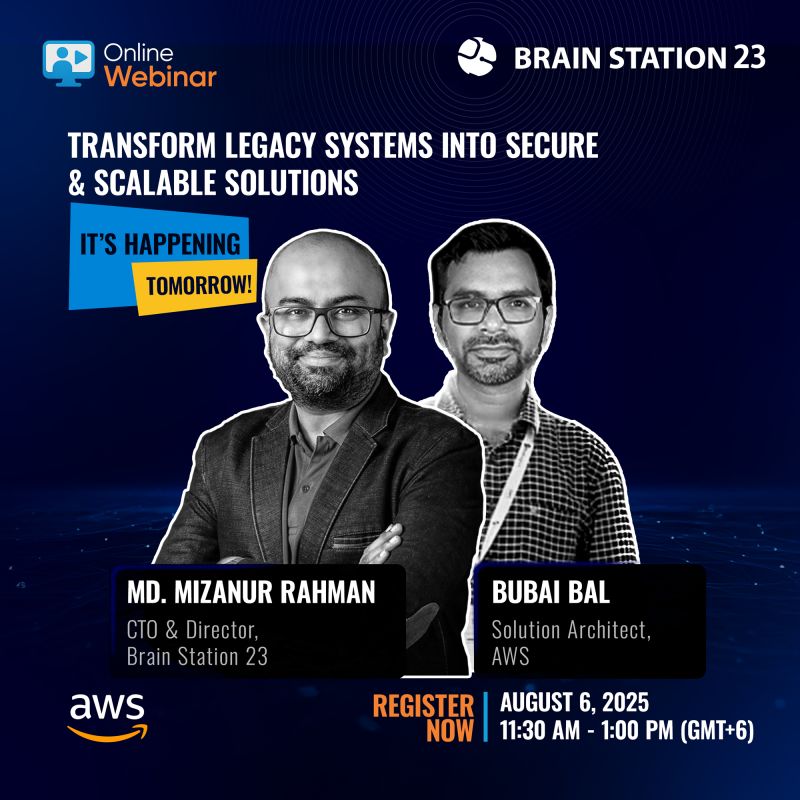
Event: Brain Station 23 × AWS webinar
Date: 6 August 2025 (GMT+6)
Speakers: Md. Mizanur Rahman (CTO & Director, Brain Station 23) and Bubai Bal (Solution Architect, AWS)

“Transformation isn’t just about technology, it’s about empowering people to achieve more, faster.” — Md. Mizanur Rahman
“Modernizing on AWS enables greater scalability, cost efficiency, reliability, faster innovation, better integration, and operational efficiency.” — Bubai Bal

Why this conversation mattered

Many enterprises still run mission-critical workloads on legacy platforms that weren’t designed for today’s security demands, user expectations, or scale. Big-bang rewrites are risky and expensive—but standing still is riskier. The session explored pragmatic ways to modernize: reinforcing what works, isolating what doesn’t, and introducing cloud-native capabilities that unlock agility now, not years from now.

Reality check: Your legacy systems won’t evolve on their own—but your competitors will.


Key takeaways

  • Reinforce, then replace. Use modern, secure frameworks around high-value legacy capabilities; phase out brittle components with proven migration patterns.
  • Eliminate bottlenecks without a full rewrite. Containerize hotspots, add caching and queues, and introduce event-driven/serverless services for quick wins.
  • Build for growth. Establish cloud guardrails—identity, networking, observability—so every improvement scales safely and compliantly.

Session highlights

1) Real-world modernization stories

We walked through projects where COBOL and Fortran systems were incrementally migrated to Java and .NET. Rather than switching everything at once, teams applied the strangler-fig pattern and anti-corruption layers to keep business running while new services came online. API gateways and message brokers allowed the old and new worlds to coexist with clear contracts and testable interfaces.

2) AI-assisted acceleration with Amazon Kiro

AI can shorten discovery and delivery cycles. With Amazon Kiro, teams can:

  • Analyze legacy codebases to map dependencies and hotspots.
  • Generate scaffolding, tests, and refactoring suggestions to reduce boilerplate.
  • Speed up conversion and hardening so engineers focus on design and quality.

3) Security & compliance by design

Security isn’t an afterthought; it’s the runway. The webinar covered:

  • Identity isolation (least privilege, SSO, short-lived credentials)
  • Secrets management & encryption everywhere
  • Threat detection & guardrails (policy-as-code, automated checks)
  • Mapping controls to compliance requirements to shorten audits and reduce operational risk

4) Architectures that work now

  • Containers & serverless for elasticity and cost efficiency
  • Event-driven integration to decouple modules and scale independently
  • Managed databases & data services to improve reliability without adding ops burden
  • Observability first: central logging, metrics, and tracing with service-level objectives to make each release safer than the last

A simple, low-risk roadmap

  1. Assess & prioritize
    Inventory domains, SLAs, dependencies, and pain points. Pick a single high-value slice—an API, report, or batch job—to pilot.
  2. Establish guardrails
    Set up landing zones, identity boundaries, networking, cost controls, and observability.
  3. Carve out and containerize
    Wrap the targeted capability with APIs; containerize where appropriate; introduce queues for long-running jobs.
  4. Introduce cloud-native services
    Move specific functions to managed databases, serverless jobs, or event buses to remove bottlenecks.
  5. Harden security & validate
    Bake in encryption, secrets rotation, and policy-as-code; test with contract suites and performance baselines.
  6. Measure & scale
    Track latency, error rates, cost per transaction, and developer throughput. Expand the approach domain by domain.

Q&A snapshots

Do we have to rewrite everything?
No. Start with the highest-impact slice and iterate. Parallel runs plus contract testing keep risk low.

How do we justify ROI?
Measure concrete outcomes: response-time reduction, error-rate drops, security posture improvements, and developer-hour savings from automation/AI.

What about data migration?
Use phased strategies—dual-write/dual-read, change-data-capture, or blue-green cutovers—with strong rollback plans.

How do we keep teams productive during the transition?
Automate CI/CD, testing, and security checks. Use AI to accelerate code analysis and refactoring so engineers focus on domain logic.

Here is the presentation Deck:

My First Impression with Claude Code: AI-Powered Coding Assistance

As someone who’s always been fascinated by the intersection of technology and development, I’ve been absolutely buzzing about the recent advancements in AI-powered coding assistance. It feels like we’re living in a pivotal moment, where AI isn’t just a buzzword, but a tangible tool reshaping our daily workflows.

Let me tell you, the impact is real. We’re seeing a noticeable jump in efficiency and code quality, and it’s honestly empowering our developers to push the boundaries of innovation faster than ever before. Tools like GitHub Copilot, Cursor, and Cody – they’re not just fancy IDE features anymore. They’re intelligent partners. I’ve been amazed at how they can provide context-aware code completions, whip up entire functions, and even translate natural language into code. It’s like having a super-smart pair programmer right there with you.

Recently, I’ve been putting Claude 3.7 Sonnet through its paces, and the results have been, well, remarkable. I’m particularly impressed with its capabilities in coding and front-end web development. And then there’s Claude Code, the command-line tool. It’s still a research preview, but being able to delegate substantial engineering tasks to Claude directly from my terminal? That’s game-changing. It feels like having an incredibly skilled collaborator who can handle everything from code generation to nitty-gritty debugging.

We’re also seeing a real improvement in code stability, thanks to AI-powered unit test generation. It’s helping us produce higher quality, more reliable software.

In that video, you can see the following at firsthand :

  • Speed up development cycles: AI takes care of the repetitive stuff and gives spot-on code suggestions, letting us focus on the complex problems.
  • Boost code reliability: It helps catch potential errors and keeps us aligned with coding standards, cutting down on bugs.
  • Streamline testing: Generating comprehensive unit tests is so much faster, leading to much more robust software.
  • Accelerate learning: When we’re dealing with unfamiliar codebases, AI provides context and explanations, making the learning curve way less steep.

We’re putting a lot of effort into training our teams to really master these tools. Learning how to craft effective prompts and seamlessly integrate AI into our development processes is becoming a core skill.

I know some folks are worried about AI taking over developer jobs. But honestly, I see it as augmentation, not replacement. It’s about giving our developers the tools they need to build even better software, faster.

Here at Brain Station 23, we’re committed to staying on the cutting edge. We truly believe AI is reshaping the software development landscape, and we’re excited to be part of that change.

We’ll keep sharing our insights as we continue to explore this exciting new world of AI-powered coding. 

Stay tuned!

Transforming Cloud Efficiency: How Sheba.xyz Cut AWS Costs by Over 60%

Sheba.xyz, a prominent online service marketplace in Bangladesh, connects users with professional services like home repairs, cleaning, beauty, and maintenance. Catering to millions of service requests monthly, Sheba.xyz relies heavily on AWS (Amazon Web Services) to ensure a seamless user experience. However, as the platform scaled, inefficiencies in cloud resource management led to skyrocketing costs. Leveraging my expertise, I engaged in an end-to-end optimization of Sheba.xyz’s AWS infrastructure to streamline operations and achieve substantial cost savings. Using the STAR (Situation, Task, Action, Result) method, here’s how we transformed their cloud strategy.


Situation

As Sheba.xyz grew, AWS infrastructure costs surged to $12,000 per month, posing significant financial strain. Key challenges included:

  • High Infrastructure Costs: Ineffective resource management led to escalating costs.
  • Underutilized Resources: Over-provisioned EC2, EBS, and ALB instances consumed unnecessary resources.
  • Outdated Storage and Snapshots: Retaining obsolete snapshots and using costlier EBS GP2 volumes increased storage expenses.
  • Lack of Cost Optimization Strategies: Absence of Savings Plans, Reserved Instances, and billing alerts amplified unpredictability.
  • Inefficient Database Management: Using Aurora MySQL unnecessarily inflated costs.

Task

My primary objective was to optimize Sheba.xyz’s AWS infrastructure to:

  1. Reduce monthly cloud expenditure by at least 50%.
  2. Ensure efficient utilization of resources while maintaining platform performance.
  3. Introduce sustainable monitoring practices for long-term cost control.

Action

To address the challenges, I implemented a systematic optimization strategy:

  1. AWS Infrastructure Audit:
    • Conducted a detailed assessment of resource usage.
    • Identified underutilized instances and redundant services.
  2. EC2 Optimization:
    • Consolidated underutilized smaller instances into fewer, larger ones.
    • Decommissioned stopped instances still accruing costs.
    • Applied AWS Savings Plans and Reserved Instances to stabilize expenses.
  3. EBS and Storage Efficiency:
    • Migrated from GP2 to GP3 volumes, achieving cost efficiency with improved IOPS.
    • Eliminated outdated snapshots of EBS and RDS instances.
  4. Database Migration:
    • Transitioned from Aurora MySQL to the more economical RDS MySQL using AWS Database Migration Service (DMS).
  5. Network Optimization:
    • Fine-tuned Route53 and VPC configurations to improve traffic routing and reduce latency.
    • Utilized ACM for cost-effective SSL/TLS certificate management.
  6. Cost Monitoring and Alerts:
    • Integrated AWS CloudWatch to track performance metrics and enable real-time billing alerts.

Result

The implementation of these strategies yielded transformative outcomes:

  • Cost Reduction: Monthly AWS expenditure dropped by 50% to $6,000 within the first month, with further optimizations targeting a reduction to $4,500 (62.5% total savings).
  • Improved Resource Utilization: Consolidation of resources maximized efficiency without performance compromise.
  • Enhanced Visibility and Control: Real-time cost monitoring tools provided actionable insights into AWS usage.
  • Scalable and Reliable Infrastructure: Optimizations ensured the platform could handle increased traffic while maintaining high availability and performance.

Conclusion

Sheba.xyz’s cloud optimization journey underscores the value of strategic resource management and cost-saving practices. Through collaborative efforts and targeted interventions, we achieved significant cost savings, enabling Sheba.xyz to reinvest in customer-centric innovations and future growth. This case exemplifies how organizations can align cloud infrastructure with business goals to maximize operational efficiency and value.

Modernize Enterprise Legacy Applications with Gen AI: Highlights from AWS Community Day Malaysia 2024

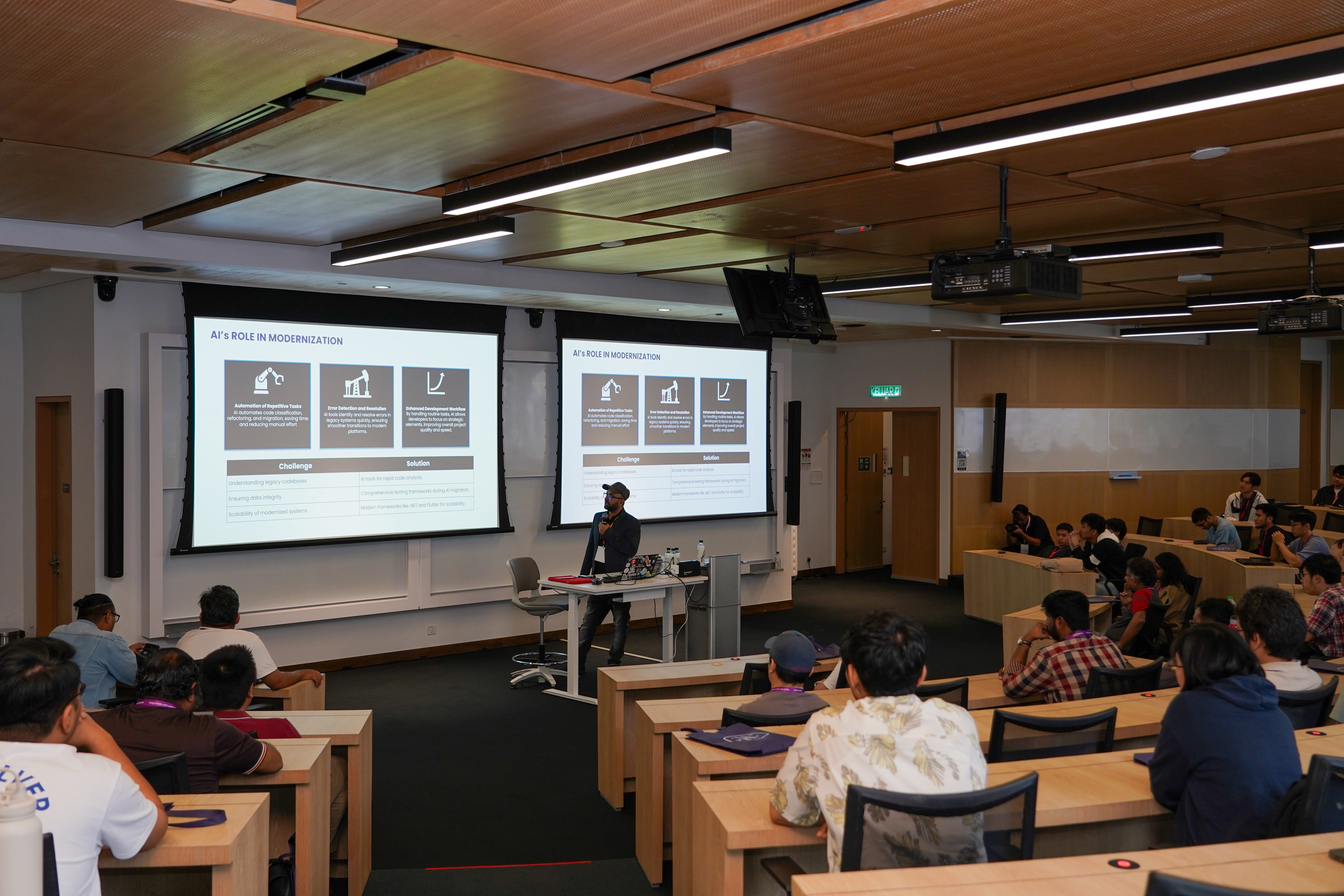
On November 9th, 2024, the dynamic and tech-savvy city of Kuala Lumpur came alive with the AWS Community Day Malaysia, an inspiring event organized by the AWS User Group Malaysia. It was an absolute privilege for Brain Station 23 to be the platinum sponsor of this prestigious gathering, celebrating innovation, collaboration, and the transformative power of cloud computing.

As the Director and CTO of Brain Station 23, and an AWS Ambassador, I had the honor of delivering a session titled “Modernize Enterprise Legacy Applications with Gen AI.” Sharing the stage with passionate technologists and decision-makers was a humbling experience that reaffirmed the importance of community in driving technological progress.

A Leap Beyond Legacy: Why Modernization Matters

Legacy systems, while often the cornerstone of enterprise operations, can become roadblocks to growth, innovation, and adaptability. My session focused on how modernizing these systems is no longer a choice but a necessity. With AI-powered solutions, enterprises can achieve:

  • Improved Performance and Scalability: Unlocking new potential for legacy systems to integrate with modern technologies.
  • Cost Efficiency: Reducing operational costs while increasing agility.
  • Enhanced User Experiences: Delivering seamless and modern applications that delight users.

The Generative AI Advantage

The crux of the session revolved around leveraging Generative AI to revolutionize the way legacy systems are modernized. Here’s how Gen AI is changing the game:

  • Automation of Repetitive Tasks: Tasks like code classification, refactoring, and migration are streamlined, saving significant time and effort.
  • Error Detection and Resolution: AI quickly identifies and addresses errors in legacy systems, ensuring smooth transitions.
  • Accelerated Development: Developers can focus on strategic decision-making while AI handles routine but critical processes.

Success Stories: Real-World Transformations

I shared several compelling case studies from Brain Station 23’s portfolio, illustrating the tangible impact of Gen AI on modernization projects:

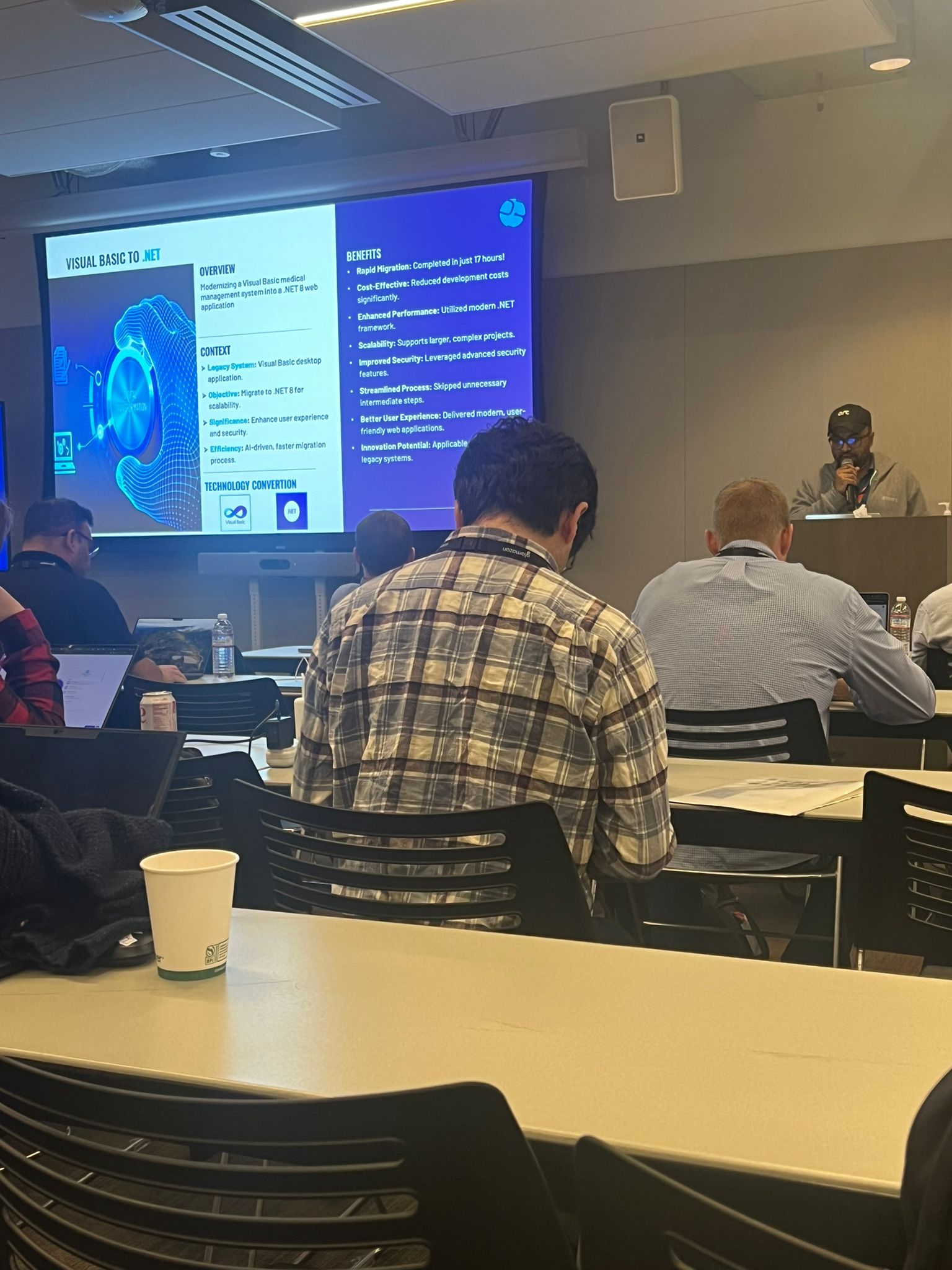
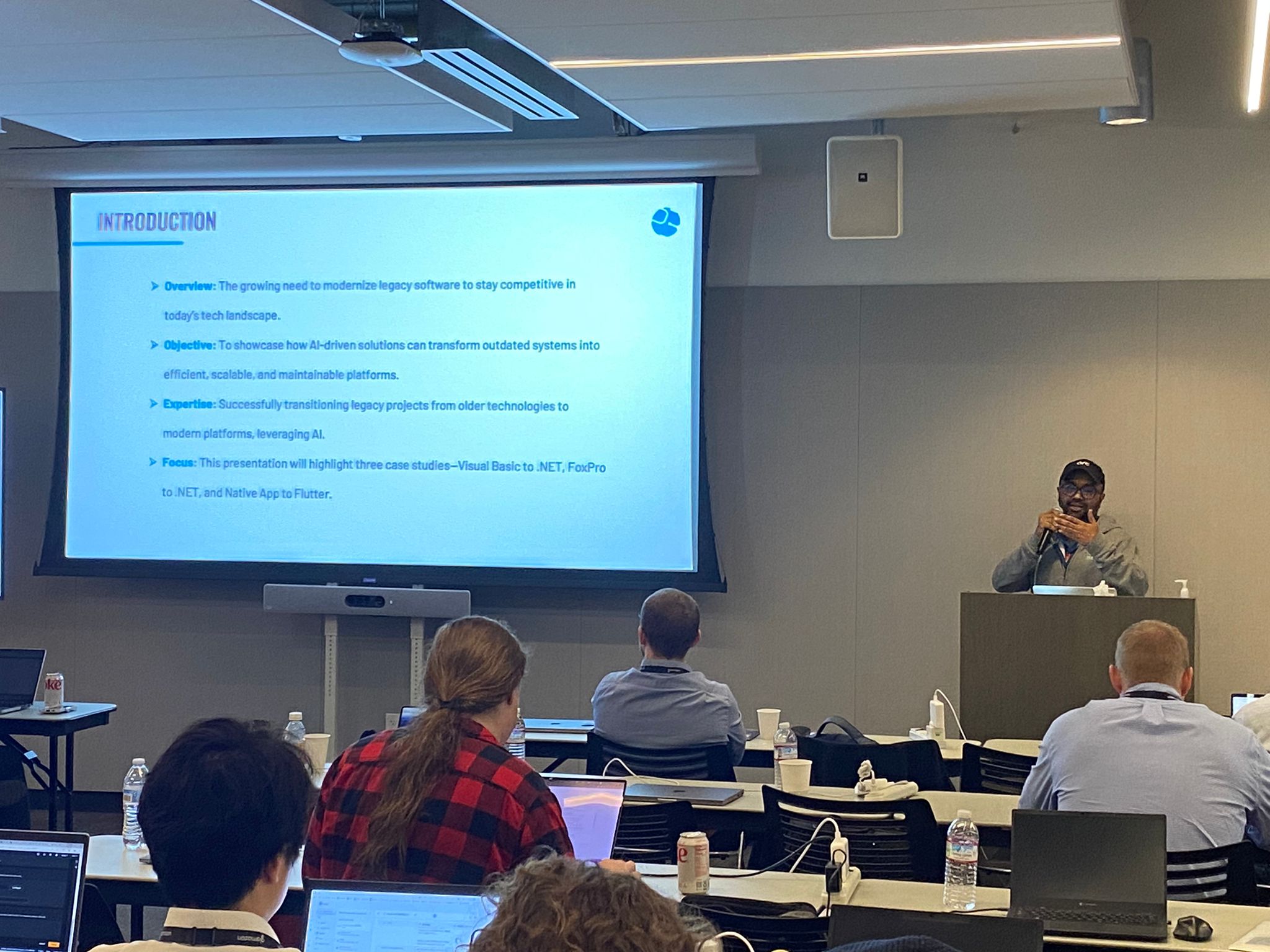
  • Visual Basic to .NET: A complex medical management system was migrated to .NET 8 in just 17 hours, improving security and user experience.
  • FoxPro to Modern Web Frameworks: AI tools reduced development time by 9 hours, proving efficiency in handling niche legacy systems.
  • Android to Flutter: By utilizing AI, we streamlined app conversion, ensuring robust architecture and faster deployment.

These examples not only demonstrated our technical expertise but also highlighted the incredible possibilities AI brings to legacy modernization.

The Buzz at AWS Community Day

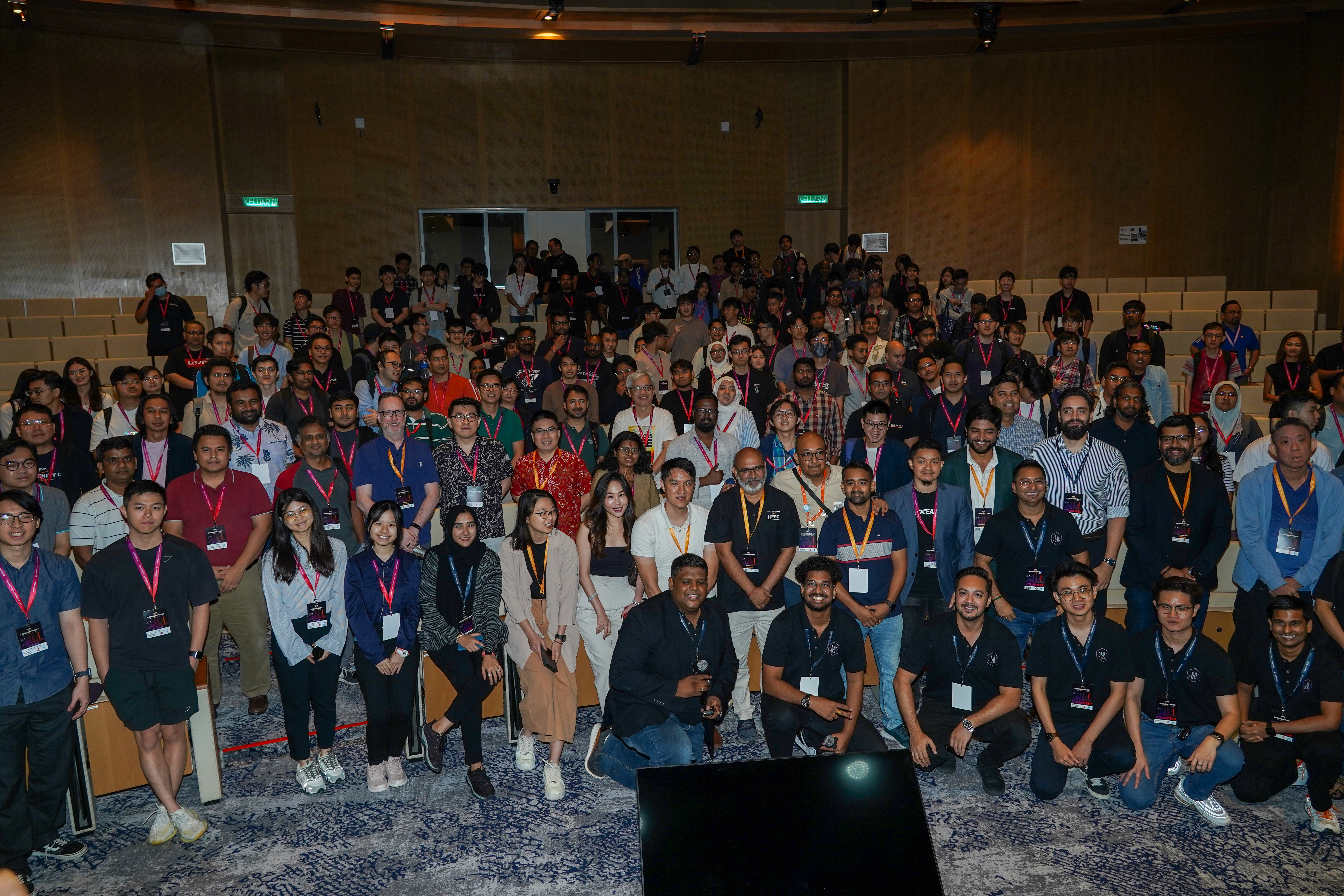
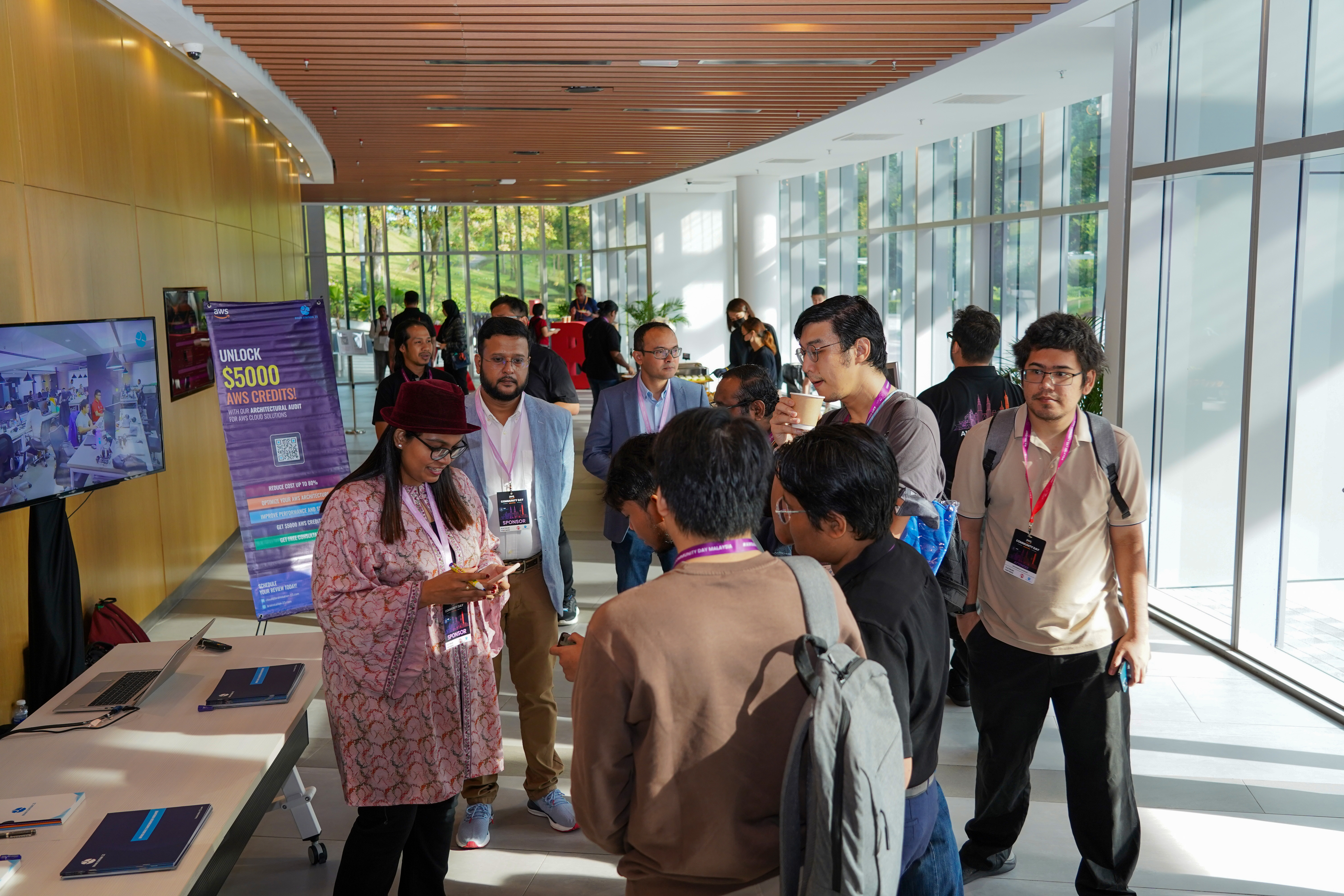
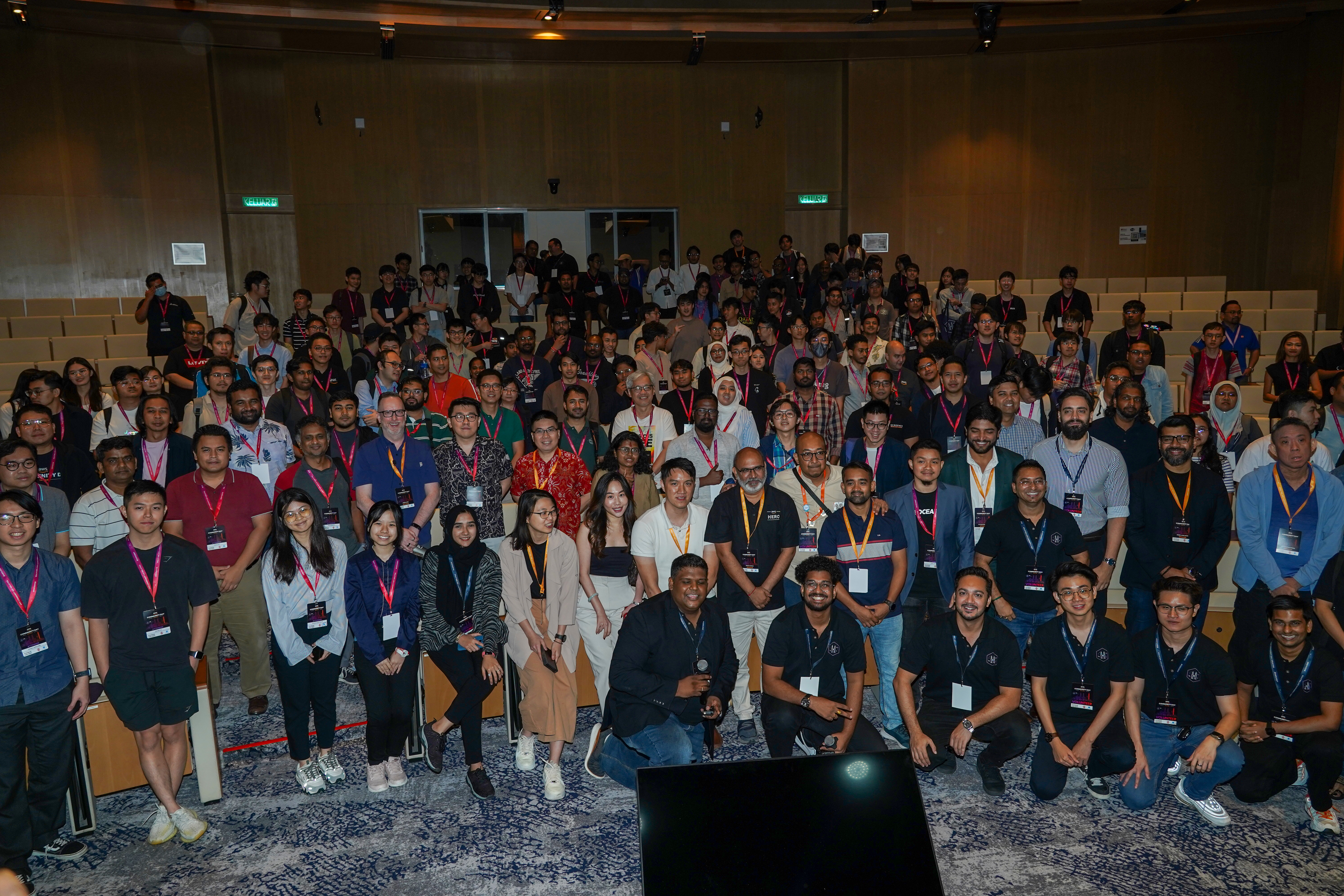
The energy at AWS Community Day was nothing short of electrifying. Attendees explored cutting-edge solutions at Brain Station 23’s booth, engaging in meaningful discussions about the future of cloud technologies. Beyond my session, the event featured workshops, networking opportunities, and invaluable knowledge-sharing among AWS enthusiasts and professionals.

short video capturing the event and my presentation deck are now available for those who couldn’t attend, offering a glimpse into the insights shared and the enthusiasm that filled the air.

Final Thoughts: A Call to Action

Being part of AWS Community Day Malaysia 2024 was a reminder of the immense potential we hold as a community. At Brain Station 23, our mission is to empower businesses to embrace the future—whether through Generative AI, cloud solutions, or innovative approaches to complex challenges.

If you’re ready to modernize your legacy systems and embark on a journey toward agility and innovation, let’s connect. Together, we can unlock new horizons and redefine what’s possible.

Accelerating Legacy System Modernization with Generative AI

As industries evolve at an unprecedented pace, the need for efficient and impactful digital transformation is undeniable. Recently, I had the privilege of speaking at Brain Station 23’s Global Convergence Webinar Series alongside Akash Doshi, Enterprise Solutions Architect at AWS UK. Together, we delved into how Generative AI is redefining legacy system modernization, allowing businesses to achieve 10X faster transformation.

Here’s a glimpse of the key insights we shared, tailored to support your journey in modernizing legacy systems with unmatched speed and efficiency.

Why Modernizing Legacy Systems is Mission-Critical

Legacy systems often form the core of an organization’s operations. However, with evolving demands, these systems can become cumbersome, limiting scalability, performance, and flexibility. In the session, we emphasized how modernization is no longer just about technology upgrades—it’s a strategic imperative for organizations to stay competitive and future-ready.

Harnessing Generative AI for Transformation and Cost Reduction

One of the highlights of our discussion was Generative AI’s role in accelerating transformation. Generative AI has opened new pathways, allowing us to automate code generation, optimize complex workflows, and even interpret existing legacy code—significantly reducing the time and costs traditionally associated with modernization. This technology not only supports rapid transformation but also enables a seamless evolution of legacy systems into modern frameworks.

AWS Tools at the Forefront of Modernization

Leveraging AWS’s powerful toolkit is instrumental in this transformation. During the session, Akash and I explored a range of AWS services that simplify and streamline the modernization process, including:

  • Amazon Bedrock for building scalable AI-driven solutions
  • AWS Lambda to support serverless computing
  • AWS Migration Hub for effective tracking and management throughout the migration journey

Each tool provides unique advantages, empowering organizations to modernize with precision and agility.

Real-World Case Studies: Success in Action

To illustrate the real-world impact of these strategies, we discussed successful transformations we’ve facilitated using Generative AI and AWS tools. These case studies highlight tangible benefits such as faster migration times, cost savings, and improved system resilience, proving the potential of Generative AI in legacy modernization.

Who Will Benefit from This Knowledge?

Our insights are crafted for CTOsdevelopers, and tech enthusiasts—anyone dedicated to driving transformation within their organization. Whether you’re grappling with aging infrastructure or looking to enhance scalability, these strategies provide a roadmap to streamline your journey.

If you couldn’t join us live, the full recording is available on YouTube. I encourage you to watch and see how Generative AI can revolutionize your legacy systems, making transformation faster, smoother, and more impactful than ever before.

Presentation deck shared below:

Unlocking the Future: How Gen AI and AWS are Transforming Business – Webinar Recap

On October 15th, 2024, Brain Station 23 had the privilege of hosting an insightful webinar titled “Unlocking the Future: How Gen AI and AWS are Transforming Business”. The event was designed to explore the cutting-edge developments in AI and cloud technology, and how they are reshaping business landscapes across various industries.

We were delighted to welcome two esteemed experts: Valerio Meucci, Sr. AWS Go-to-Market Specialist for Data in EMEA, and Lucas Donoso Pérez, Sales Manager at CMC Group Europe B.V. Their combined expertise provided attendees with a deep dive into the transformative power of Generative AI and AWS solutions.

Key Insights from the Webinar

The session highlighted several key themes:

  1. Revolutionizing Business Operations Valerio Meucci shared how AI, when integrated with AWS, is enabling businesses to automate complex processes, increase efficiency, and enhance customer experiences. He explained how AWS tools, such as Amazon Bedrock, are leveraging Generative AI to build intelligent applications that can analyze vast amounts of data in real time, making predictions and decisions faster than ever.
  2. Boosting Productivity through AI Lucas Donoso Pérez elaborated on the impact of AI on productivity, particularly in the context of CMC Group’s operations in Europe. He discussed real-world examples where companies have used AWS solutions to streamline workflows, reduce operational costs, and drive employee productivity. His insights into how businesses can implement these technologies to achieve tangible results resonated deeply with the audience.
  3. Driving Innovation Across Industries The webinar emphasized that AI and cloud technologies are not limited to tech companies alone. Businesses in healthcare, finance, retail, and manufacturing are experiencing unprecedented growth and innovation by adopting these technologies. Whether it’s optimizing supply chains, improving patient outcomes, or enhancing customer personalization, the possibilities are endless.

Why This Matters for Business Leaders

In today’s rapidly evolving technological landscape, staying ahead means understanding the potential and opportunities that AI and cloud solutions bring. The webinar was crafted for a diverse audience—ranging from tech enthusiasts and entrepreneurs to business leaders—providing valuable insights and practical tools to navigate the transformation brought by Gen AI and AWS.

A Successful Event with Engaging Discussions

The event saw lively engagement from participants, with an interactive Q&A session allowing attendees to dive deeper into specific topics like AWS’s latest AI services and the best practices for AI implementation across industries. The feedback was overwhelmingly positive, with many participants expressing their enthusiasm for future events exploring similar themes.

Conclusion

As we move into an era where AI and cloud technologies are at the forefront of business innovation, webinars like these play a crucial role in bridging the knowledge gap and equipping businesses with the tools they need to succeed. At Brain Station 23, we remain committed to facilitating such knowledge-sharing opportunities, empowering businesses to unlock their full potential.

The recording of the session given below:

Session on Legacy Application Migration through Gen AI at Global AWS Ambassador Summit

Proud Moment at AWS Summit 2024! 🚀

I had the privilege of attending the AWS Ambassador Global Summit 2024 in the vibrant city of Seattle. It was an unforgettable experience, filled with incredible opportunities to connect with brilliant professionals from around the world. 🌍 The summit brought together some of the most forward-thinking individuals in the tech industry, all united by a shared passion for innovation and the transformative power of technology.

I would like to specially thank Matthijs- Global Program Manager and Lalit Khatter – PSA, AWS Ambassador APAC Lead along with all the amazing global Ambassadors.

During this dynamic event, I had the honor of hosting a session on a topic close to my heart: “Migrating Legacy Applications through Gen AI.” In the session, I explored how Generative AI is reshaping the future of legacy system migration, covering everything from old-school FoxPro applications to modern .NET frameworks, Visual Basic programs, and beyond. I also highlighted the significant advancements we’ve seen in mobile app development, especially through cross-platform solutions like Flutter.

What’s particularly exciting is the real-world impact of these technologies. With the power of Generative AI, we are achieving migration times up to 10x faster—a game-changer for businesses looking to modernize and scale their operations. From streamlining legacy codebases to integrating new technologies into existing infrastructures, the possibilities are endless, and the future is bright!

The AWS Ambassador Global Summit wasn’t just about technology; it was about connecting with like-minded individuals who are equally passionate about pushing boundaries and exploring new horizons in the tech landscape. I left the summit feeling more energized than ever, ready to take on new challenges and continue driving innovation forward.

A huge thank you to everyone who made this summit a success, and I look forward to applying these insights to accelerate the next phase of digital transformation!

I have shared the presentation deck of the session as reference below:

MongoDB Live Stream: Gen AI in eCommerce: Beyond Predictive Algorithms to Holistic Decision-Making & Legacy Application Migration

The eCommerce landscape is undergoing a transformative shift driven by the advent of Generative AI (Gen AI). On June 18, 2024, I had the privilege of discussing this evolution during a session on “Gen AI in eCommerce: Beyond Predictive Algorithms to Holistic Decision-Making & Legacy Application Migration” as part of the MongoDB Live Stream. This session delved into how Gen AI is revolutionizing eCommerce, its future implications, and the pivotal role it plays in migrating legacy applications.

Disrupting eCommerce with Gen AI

Gen AI is fundamentally altering the eCommerce domain by moving beyond traditional predictive algorithms to foster holistic decision-making. Traditional algorithms, while effective, often operate within confined parameters, predicting outcomes based on historical data. Gen AI, however, brings a new dimension by creating data, enabling businesses to make more informed and comprehensive decisions.

For instance, Gen AI models like ChatGPT can analyze vast datasets, generate insightful narratives, and provide nuanced recommendations that go beyond mere predictions. This capability enhances customer experience by offering personalized interactions, recommending products, and even assisting in customer service through intelligent chatbots. The integration of Gen AI into eCommerce platforms ensures that businesses can anticipate customer needs, streamline operations, and optimize their supply chains effectively.

The Future of eCommerce with Gen AI

The future of eCommerce is bright with Gen AI at its helm. As AI technologies evolve, we can expect more sophisticated applications that will redefine online shopping experiences. Here are a few key trends to watch:

  1. Hyper-Personalization: Gen AI will enable hyper-personalized shopping experiences. By analyzing individual customer behavior and preferences, AI can tailor product recommendations, marketing messages, and even website layouts to enhance user engagement and satisfaction.
  2. Voice Commerce: With the rise of voice-activated assistants like Amazon Alexa and Google Assistant, Gen AI will play a crucial role in facilitating voice commerce. Customers will be able to search for products, place orders, and receive customer support using natural language, making the shopping process more intuitive and accessible.
  3. Visual Search: Gen AI-powered visual search capabilities will allow customers to find products using images rather than keywords. This technology can recognize items in photos and suggest similar products, revolutionizing the way customers discover and purchase items online.
  4. Advanced Fraud Detection: AI’s ability to detect patterns and anomalies will significantly enhance fraud detection and prevention in eCommerce. This will ensure a safer shopping environment for customers and reduce financial losses for businesses.

Supporting Legacy Application Migration

One of the critical challenges many eCommerce businesses face is migrating legacy applications to modern, AI-driven platforms. This migration is crucial for leveraging the full potential of Gen AI. During the session, I highlighted how services like Amazon Bedrock are instrumental in this transition.

Amazon Bedrock offers a suite of tools and services designed to facilitate the migration of legacy applications. Its scalable infrastructure and robust integration capabilities ensure a smooth transition while maintaining the integrity and performance of existing systems. By leveraging Amazon Bedrock, businesses can modernize their IT landscape, enabling the seamless incorporation of Gen AI functionalities.

Conclusion

The integration of Gen AI into eCommerce is not just a technological advancement; it is a paradigm shift that promises to redefine the industry. From enhancing customer experiences to enabling sophisticated decision-making and facilitating legacy application migration, Gen AI is poised to be the cornerstone of future eCommerce strategies.

As we move forward, businesses must embrace these technologies to stay competitive and meet the evolving demands of consumers. The journey may be complex, but the rewards are immense, promising a future where eCommerce is more intelligent, efficient, and customer-centric than ever before.

If you missed the MongoDB Live Stream session, I encourage you to explore these topics further and consider how Gen AI can transform your eCommerce operations. The future is here, and it’s powered by AI.

Optimizing Startup Security and Performance through AWS WAFR at Viva Technology 2024

I had the incredible opportunity to speak at the Viva Technology event in Paris, France, from May 22nd to May 25th, 2024. With over 70,000 attendees, this event brought together the brightest minds and the most innovative companies in the tech industry. It was not only my first visit to Paris but also a significant milestone in my professional journey as I shared insights on “Optimize Startup Security and Performance through AWS WAFR.” The session link can be found at https://vivatechnology.com/sessions/dbbaf5f7-6f16-ef11-86d2-6045bd9c1849

The Excitement of Viva Technology

Viva Technology is renowned for being one of the largest and most influential tech events in Europe. The 2024 edition was no exception, featuring an array of cutting-edge technologies, inspiring talks, and networking opportunities. The energy at the event was palpable, with startups, tech enthusiasts, and industry leaders converging to explore the future of technology.

The Session: Optimize Startup Security and Performance through AWS WAFR

Startups often face unique challenges when it comes to security and performance. My session aimed to address these challenges by introducing AWS WAFR (Web Application Firewall and Routing). Here’s a summary of the key points I covered:

  1. Understanding AWS WAFR:
    • An introduction to AWS WAFR and its capabilities.
    • How AWS WAFR integrates with other AWS services to provide comprehensive security.
  2. Security Enhancements:
    • Detailed discussion on how AWS WAFR protects startups from common web exploits and attacks.
    • Best practices for configuring AWS WAFR to enhance security without compromising performance.
  3. Performance Optimization:
    • Techniques to leverage AWS WAFR for improving application performance.
    • Real-world examples of startups that have successfully optimized their performance using AWS WAFR.
  4. Case Studies:
    • Sharing success stories of startups that implemented AWS WAFR.
    • Lessons learned and key takeaways from these implementations.

Engaging the Audience

The response from the audience was overwhelming. The interactive Q&A session that followed my talk was filled with insightful questions, reflecting the keen interest of the attendees in optimizing their startup’s security and performance. I was thrilled to see the level of engagement and the eagerness to adopt AWS WAFR.

Presentation deck can be found below:

Exploring Paris

Aside from the professional enrichment, visiting Paris for the first time was an unforgettable experience. The city’s rich history, stunning architecture, and vibrant culture added a magical touch to my trip. Strolling along the Seine, visiting iconic landmarks like the Eiffel Tower, and indulging in delicious French cuisine were highlights of my stay.

Recap of AWS re:Invent 2023

Attending AWS re:Invent 2023 was an exhilarating experience, filled with insightful sessions, cutting-edge technology, and invaluable networking opportunities. As the CTO of Brain Station 23 and an AWS Ambassador, I had the privilege of representing our company at this prestigious event. Here’s a detailed recap of my experiences, key takeaways, and tips for future attendees.

Overview of AWS re:Invent 2023

AWS re:Invent is one of the largest global cloud computing conferences, bringing together tens of thousands of IT professionals, developers, and executives. This year, the event was even more impactful, focusing heavily on advancements in artificial intelligence (AI) and hardware innovations.

My Experience

Badge Collection and Networking

The event kicked off with the badge collection, a perfect opportunity to meet and network with fellow attendees. I encountered numerous globally recognized faces, making the start of the event truly exciting.

My Session at re:Invent

I had the honor of hosting a session during the event. The engagement and enthusiasm from the audience were incredible, reinforcing the importance of sharing knowledge and experiences within the AWS community.

Key Takeaways

Focus on AI

A major highlight of AWS re:Invent 

2023 was the emphasis on AI, particularly with Amazon Q. AI is undeniably the future, and AWS is at the forefront of this revolution.

Hardware Advancements

AWS’s focus on robust hardware was evident with the introduction of Graviton4 and R8g instances. These innovations promise enhanced performance and efficiency, further solidifying AWS’s leadership in cloud computing.

NVIDIA’s Prominence

NVIDIA continues to dominate, enjoying its best period yet. Their technologies are integral to many of the advancements discussed at re:Invent, especially in AI and machine learning.

Tips for Future Participants

  1. Prioritize Based on Your Goals: Tailor your schedule to align with your professional objectives.
  2. Comfortable Footwear is Key: With so much ground to cover, comfortable shoes are essential.
  3. Plan Travel Time Between Sessions: The venues are vast; allocate ample time to move between sessions.
  4. Don’t Fret Over Keynote Seats: Keynotes are streamed live, so don’t stress about finding a seat.
  5. Hydrate and Eat: Stay hydrated and keep energy levels up with regular meals.
  6. Leverage the AWS Mobile App: Use the app to manage your schedule and navigate the event.
  7. Schedule Meetings: Plan to meet with colleagues, friends, or clients during the event.
  8. Engage in Hands-on Labs and Workshops: Participate actively in labs and workshops for a deeper learning experience.
  9. Enjoy Las Vegas: Take time to relax and enjoy the vibrant city.
  10. Share Your Experiences: Share what you’ve learned with your network to foster community growth.

At Brain Station 23, we are committed to continuous learning and development. We conduct monthly sessions to share new learnings and advancements. Our dedication to research and development on AWS services ensures we stay at the cutting edge of technology.

AWS re:Invent 2023 was a remarkable experience that underscored the rapid advancements in AI and hardware. By staying engaged and sharing our knowledge, we can collectively drive innovation and growth within the tech community. Let’s continue to learn and grow together!

I have shared my slides for your convenience.